
Sicilian Squill
Scilla sicula
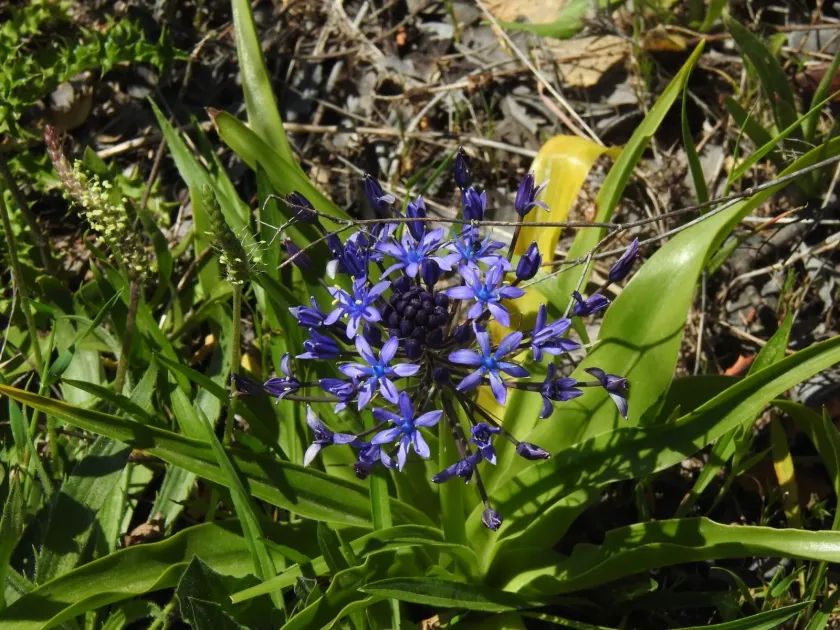
Description
Sowing dates
Planting of the Sicilian Squill (Scilla sicula) bulbs is typically performed in late summer or early autumn, preferably in September. This timing allows the bulbs to establish a robust root system before the onset of winter dormancy, ensuring successful overwintering and early spring growth.
The planting depth should be approximately two to three times the diameter of the bulb, usually ranging from 5 to 8 centimeters. Proper depth is essential to protect the bulbs from temperature fluctuations and to ensure they remain moist during the dormant period.
In heavy or clay-rich soils, it is critical to incorporate a layer of coarse sand at the base of each planting hole. This practice facilitates better drainage and prevents waterlogging, which is a frequent cause of bulb rot and fungal infections in spring-flowering bulbs.
When planting in groups, maintain a spacing of 10–15 centimeters between bulbs. This density allows for natural clump formation, providing a fuller and more aesthetically pleasing display during the blooming season without causing overcrowding.
Once planting is complete, irrigate the area thoroughly and apply a layer of mulch, such as organic compost or leaf mold. Mulching helps retain soil moisture, suppresses weed growth, and acts as a thermal buffer against harsh temperature changes.
Growing requirements
The Sicilian Squill belongs to the Asparagaceae family and is a perennial bulbous plant native to the Mediterranean region. This geographic origin dictates its preference for moderate climates and well-drained, fertile soils characteristic of its natural habitat.
These plants thrive in full sun but are also highly adaptable to partial shade, particularly under the canopy of deciduous trees. Shade tolerance makes them an excellent choice for woodland gardens or underplanting in perennial beds.
Soil requirements are relatively undemanding; however, the plant performs best in loose, well-drained substrates with a neutral pH. It is essential to ensure that the site does not hold standing water, as excess moisture is highly detrimental to the health of the bulbs.
The temperature regime is primarily focused on the early spring season, during which the plant initiates rapid growth. Sicilian Squill is quite hardy and capable of tolerating the occasional frost that often occurs during the early spring thaw in its growing zones.
Adequate moisture is required during the active growing and flowering phases. If spring rainfall is insufficient, supplemental irrigation is recommended to support flower development and to ensure the plant can store enough energy for the following season's growth.
Yield
The yield of this ornamental plant is measured by its vigor and its ability to propagate vegetatively. Healthy mother bulbs will naturally produce small offset bulbs, or offsets, throughout the growing cycle, which eventually leads to the formation of dense, flowering clusters.
Blooming occurs in the spring, characterized by delicate, bell-shaped flowers on slender stems. The decorative impact and the number of flower spikes are directly influenced by soil fertility and the plant's overall health during the preceding growing season.
Sicilian Squill is grown exclusively for horticultural purposes. It is a prized addition to rock gardens, alpine beds, and naturalized landscapes, where its early blooming period brings color to the garden when little else is in flower.
These bulbs can remain undisturbed in the garden for many years, provided the soil remains well-drained. Periodic division of overcrowded clumps every 5–7 years is recommended to maintain the vigor of the plants and the size of the individual blooms.
For maximum performance, apply a balanced, slow-release fertilizer at the first sign of emerging foliage in early spring. This ensures that the plant has the necessary nutrients to support vigorous stem growth and high-quality floral development.
Main diseases and pests
The most significant threats to bulb health are soil-dwelling pests, such as onion fly larvae, which can bore into the bulbs. Treating the bulbs with appropriate systemic insecticides before planting or using soil-applied preventatives is a standard agronomic practice.
Fungal pathogens, including Fusarium and grey mold (Botrytis), can become problematic under conditions of high humidity and poor drainage. These infections often manifest as soft rot on the bulb scales or blighted foliage during cool, damp spring weather.
Control measures for fungal issues include the removal and disposal of infected plant material to prevent the spread of spores. Additionally, maintaining good air circulation around the plants can significantly reduce the risk of disease outbreaks in the garden.
Small mammals, particularly voles and mice, may forage on the bulbs during the winter. Using hardware cloth or wire cages around the planting site provides an effective mechanical barrier against these pests, protecting the bulbs throughout their dormancy.
- Selection of high-quality, firm bulb stock.
- Prioritizing well-drained planting locations.
- Monitoring for pest presence during the early growing phase.
- Proper sanitation to prevent the carryover of soil-borne diseases.