
Speirantha gardenii
Speirantha gardenii
Description
Growing requirements
Speirantha gardenii is a perennial herbaceous plant belonging to the Asparagaceae family. Known for its slow-growing, creeping habit, this species is a popular choice for gardeners seeking a reliable groundcover in shaded environments where other plants might struggle to thrive.
The plant originates from the woodland areas of Eastern China. Its natural habitat is characterized by cool, shaded spots under forest canopies, where the soil is rich in leaf litter and remains consistently moist, providing a stable microclimate for the rhizomes.
For cultivation purposes, Speirantha gardenii requires well-drained, humus-rich soil. It performs best in locations that mimic forest floor conditions, avoiding direct sunlight which can scorch the glossy, elliptical leaves and cause them to lose their characteristic dark green coloration.
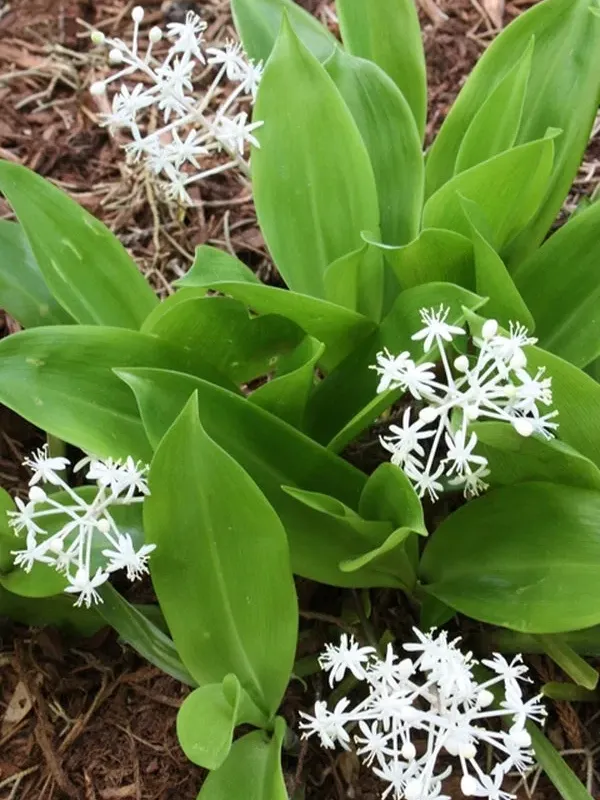
Botanically, it forms dense clusters of basal leaves. During the spring season, the plant produces short, sturdy scapes bearing spikes of white, fragrant flowers. The contrast between the dark foliage and the bright inflorescences adds significant aesthetic value to shade gardens.
In terms of climate, the plant is relatively hardy once established. It requires minimal maintenance other than ensuring adequate moisture during dry spells and providing a light protective layer of mulch in regions where winter temperatures fall below freezing for extended periods.
Main diseases and pests
The primary threats to Speirantha gardenii are slugs and snails, which are attracted to the succulent-like texture of the leaves. These pests can rapidly damage the foliage if left uncontrolled, making it necessary to implement physical barriers or organic deterrents.
Root rot is a major risk factor if the plant is situated in waterlogged soils. As a forest plant, it demands moisture but cannot tolerate standing water, which inevitably leads to the decay of the rhizomatous structure and eventual plant collapse.
Proper garden sanitation is essential for managing threats. Removing decomposing plant debris from the immediate vicinity of the hostas or similar shade-dwellers helps minimize the hiding spots for mollusks and reduces the risk of fungal proliferation in dense plantings.
Monitoring for signs of leaf spots during high humidity is recommended. If fungal outbreaks occur, applying appropriate fungicides or improving the airflow around the base of the plant can significantly mitigate the spread of the disease and improve overall vigor.
In summary, keeping Speirantha gardenii healthy requires a balance of shade, steady moisture, and periodic vigilance against common shade-loving pests. With the right site selection, it serves as a long-lived and beautiful addition to any woodland landscape.