
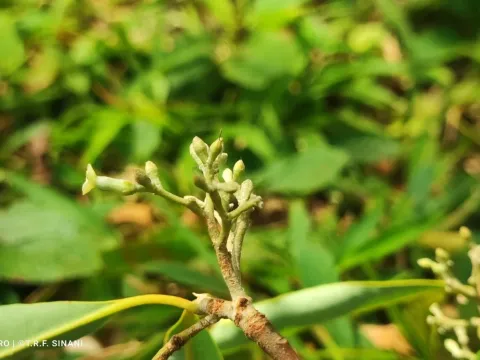
Aspidosperma parvifolium
Aspidosperma parvifolium
Aspidosperma parvifolium is a member of the Apocynaceae family, native to the tropical forests of South America. It is recognized for its robust growth and the exceptional quality of its wood.
What the section contains
Aspidosperma parvifolium
The tree thrives in deep, well-drained soils with high organic matter content. It requires a humid tropical climate, as consistency in soil moisture is vital for healthy development.
Light requirements vary during the tree's lifespan. While mature specimens are heliophilic, seedlings require partial shade to establish properly and avoid leaf scorch.
Optimal growth occurs in environments with stable temperatures, typically between 22°C and 30°C, throughout the year.
Agronomic management involves regular weeding in the early stages of growth and ensuring adequate spacing to prevent competition between individual trees in a plantation setting.
The primary economic output of Aspidosperma parvifolium is its highly durable timber, often traded in regional markets for construction and high-end cabinetry.
The wood is dense, rot-resistant, and aesthetically pleasing, making it a preferred material for luxury flooring and decorative interior elements.
Beyond commercial wood production, the species contributes to reforestation efforts due to its ability to thrive in degraded tropical landscapes if provided with initial support.
Future potential lies in the pharmaceutical field, as some plants within the Aspidosperma genus are studied for their bioactive alkaloid content.
Successful yield management relies on rotation planning, ensuring trees are harvested at their point of maximum biological maturity to maximize wood density and volume.
The species is susceptible to various defoliating insects that can significantly reduce the photosynthetic capacity of younger trees during the rainy season.
Fungal pathogens represent a major threat, particularly those that thrive in stagnant air conditions or waterlogged soil, leading to root rot and bark lesions.
External mechanical damage to the trunk caused by wildlife can serve as entry points for pathogens, potentially leading to systemic decay.
Environmental stress, such as extended drought periods, weakens the tree's immune system, making it more prone to opportunistic pests and diseases.
Integrated Pest Management (IPM) practices, including the removal of infected debris and biological monitoring, are essential for maintaining plantation health.