
Spiked star-of-Bethlehem
Ornithogalum pyramidale
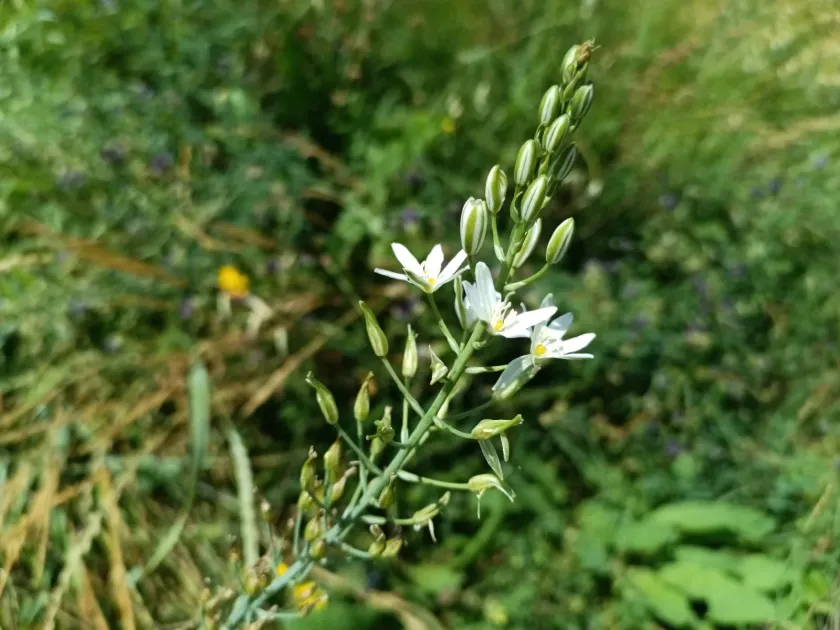
Description
Sowing dates
Spiked star-of-Bethlehem (Ornithogalum pyramidale) is a member of the Asparagaceae family. This perennial bulbous plant is valued for its unique, tall, pyramid-shaped inflorescences that make it a distinct addition to gardens and cultivated landscapes.
Propagation is primarily achieved through bulb offsets or seeds. Planting bulbs in the autumn allows them to establish a robust root system before the onset of winter, which is critical for success in temperate climates.
When planting, bulbs should be set at a depth of approximately 8 to 10 centimeters, depending on their size. Adequate spacing is essential to prevent overcrowding, which can encourage fungal diseases and moisture retention.
If growing from seed, a period of cold stratification is often required to break dormancy. Sowing in outdoor trays or directly in prepared soil during late autumn is the most natural and effective method for seed germination.
Maintaining clear markers for the planting area is recommended, as the foliage of the plant often dies back entirely after the blooming season, leaving the bulbs dormant in the soil during the summer.
Growing requirements
The culture thrives in well-drained, sandy, or loamy soils that receive full sun. It is highly sensitive to waterlogged conditions, which can lead to bulb rot; therefore, selecting a site with excellent drainage is paramount.
Regarding soil chemistry, the plant performs best in neutral to slightly alkaline conditions. Improving the soil structure with organic matter or grit can significantly enhance bulb health and promote vigorous spring growth.
Watering requirements are moderate; the soil should be kept moist during the active growing season but allowed to dry out as the plant prepares for dormancy. Overwatering is the most common cause of failure in cultivating this species.
Fertilization should be handled carefully, focusing on phosphorus and potassium to support flower development. Excessive nitrogen application should be avoided, as it encourages foliage growth at the expense of floral quality.
Temperature tolerance is generally good, as the plant is adapted to variable weather patterns. However, in regions with extreme frost, applying a layer of mulch over the planting site provides necessary insulation for the dormant bulbs.
Main diseases and pests
Onion flies are a primary pest for this bulbous crop. Their larvae feed on the developing bulbs, which can stunt growth or result in total loss. Implementing pest control measures during the initial growth phase is essential.
Fungal infections, such as Fusarium rot, are common in poorly drained soils. These pathogens can persist in the soil for years, necessitating strict hygiene and the removal of any infected plant material immediately upon detection.
Botrytis, or gray mold, can affect the foliage during periods of high humidity and poor airflow. Managing plant density and ensuring good air circulation around the crowns helps mitigate this risk significantly.
Nematodes represent a challenging issue for bulb cultivation. Preventing their entry into the soil is easier than eradication, so utilizing certified pest-free bulbs is the most effective management strategy available.
Slugs and snails may target the tender new foliage in early spring. Protecting the young shoots with physical barriers or targeted biological control methods can keep the plants healthy until they reach maturity.