
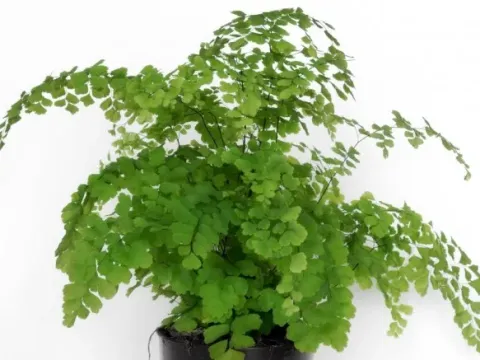
St. Bernard's lily
Anthericum
St. Bernard's lily (Anthericum) is primarily propagated through seeds or vegetative division of the rhizomes. Sowing seeds into open ground is best done in late autumn or early spring after a period of stratification.
What the section contains
St. Bernard's lily
For successful germination, it is essential to maintain stable moisture levels and temperatures between 15 and 18 degrees Celsius. Seeds should be sown in well-drained, light soil at a depth of 1–2 centimeters.
When using vegetative propagation, the clumps should be divided in autumn after the active growing season has ended. It is important to carefully separate the root system to maintain the integrity of the main growth points.
Young plants require protection from direct sunlight for the first few weeks after transplantation. Regular watering during this establishment phase promotes faster root development in the new substrate.
With proper timing, germination is usually uniform, although the growth of the aerial part of the plant may remain slow during the first year of cultivation.
The genus Anthericum belongs to the family Asparagaceae and consists of herbaceous perennial plants. In their natural habitat, they are found throughout the temperate and subtropical zones of Eurasia and Africa.
These plants prefer well-lit locations with sufficient sunlight, although they can tolerate light partial shade. In conditions of poor light intensity, flowering may become less vigorous.
Anthericum species have moderate soil requirements. They thrive in loose, sandy-loam or loamy soils with a neutral or slightly alkaline pH balance.
The plant is highly drought-tolerant due to its well-developed root system. It does not tolerate waterlogging in the root zone, making adequate drainage a strictly necessary requirement for cultivation.
During the winter season, most Anthericum species exhibit high frost resistance, allowing them to be grown in various climatic zones without the need for special winter protection.
The cultivation of Anthericum in agriculture and horticulture is strictly for decorative purposes. Its productivity is measured not by biomass weight, but by the quantity of flower spikes and the duration of the blooming period.
At the peak of its ornamental value, a single plant can produce up to 10–15 panicle inflorescences consisting of elegant white flowers. Flower stems can reach heights of 60–80 centimeters.
To maintain maximum aesthetic value, it is recommended to timely prune spent flower spikes. This encourages the plant to direct its resources toward root system maintenance and the development of new growth buds.
Economic use is limited to landscape design, such as the creation of rock gardens and mixed borders. The plant integrates well with other drought-resistant perennials.
On a commercial scale, seeds are harvested to supply nurseries specializing in rare ornamental species for both private gardens and public landscaping projects.
The primary threat to Anthericum is fungal disease, which develops in conditions of excessive soil moisture. Root rot can quickly destroy the plant if water stagnation occurs.
Among pests, spider mites and aphids pose the greatest danger as they feed on the leaf sap. Preventive treatments with systemic insecticides are effective in controlling their population.
In high humidity environments, plants may be susceptible to powdery mildew. Copper-based fungicides or specialized biological treatments are recommended to combat these infections.
Slugs and snails may damage tender foliage during the spring. Implementing barrier protection methods or gravel mulching can significantly reduce the likelihood of pest attacks.
To prevent disease, it is essential to ensure good air circulation around the plants by avoiding overcrowded planting patterns, which can otherwise lead to pathogen accumulation.
Seed harvesting is performed at the end of summer when the seed pods turn brown and begin to dry out. It is crucial to collect them before the capsules burst naturally.
Cut flower stalks containing pods should be dried in a well-ventilated, dry room before threshing. High-quality seeds must be fully mature and dry to ensure successful storage.
Pruning the aerial part of the plant for winter preparation is done only after the foliage has died back naturally. This ensures that nutrients are fully translocated back into the rhizome.
In landscaping, "harvesting" includes spring sanitation, where old or frost-damaged leaf residues are removed to stimulate the growth of new vegetative mass.
When collecting planting material, rhizomes should be dug up carefully using a garden fork, ensuring that a sufficient amount of roots and growth points are preserved for each division.