
Smilacina
Smilacina
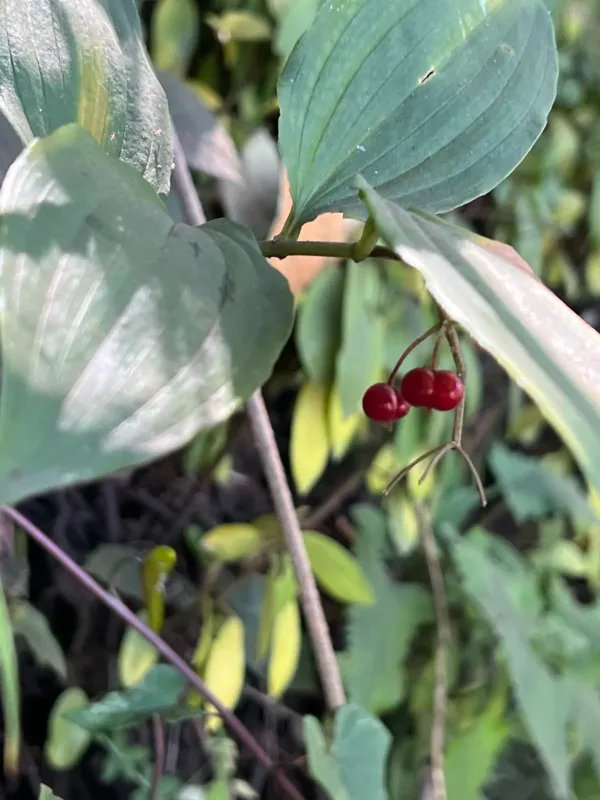
Description
Growing requirements
Smilacina is a genus of herbaceous perennial plants belonging to the Asparagaceae family. Botanically, many species are now classified within the Maianthemum genus, but the name Smilacina remains widely recognized in horticultural and nursery practice.
Native to the temperate regions of Asia and North America, these plants typically thrive in forest environments. Their biological structure features creeping rhizomes and arching stems, which make them ideal candidates for naturalistic landscapes and woodland gardens.
The plant has strict requirements for site selection, favoring partial to full shade. Direct exposure to intense sunlight for prolonged periods will cause leaf scorch and dehydration, significantly reducing the plant's vigor and ornamental appeal.
Soil conditions should ideally mimic a forest floor, being moist, humus-rich, and slightly acidic. Good drainage is non-negotiable, as while the plant enjoys moisture, it cannot tolerate waterlogged soils that induce root rot.
Agricultural management is minimal once established, focusing primarily on mulching and supplemental watering during dry spells. Fertilizer application should be moderate, utilizing organic amendments to maintain the soil structure and nutrient levels needed for healthy rhizome growth.
Main diseases and pests
Disease pressure in Smilacina is mostly associated with fungal pathogens that thrive in overly humid and stagnant air conditions. Botrytis and various forms of root decay represent the primary physiological risks if the planting site is poorly ventilated.
Pest management is rarely intensive, but slugs and snails can be a recurring issue for young emerging shoots. Implementing proper spacing and using organic repellent barriers around the base of the plant effectively prevents significant damage.