
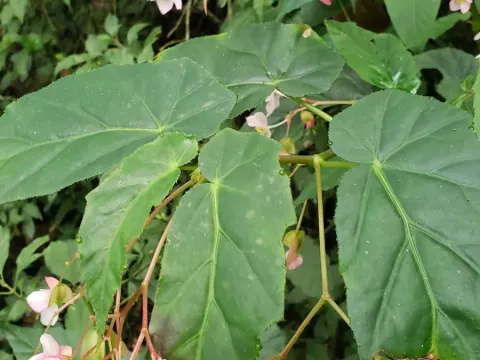
Begonia incarnata
Begonia incarnata
Begonia incarnata is an herbaceous perennial species classified within the family Begoniaceae. This ornamental culture is highly regarded for its specific foliage and growth habits, characteristic of tropical mountain ecosystems.
What the section contains
Begonia incarnata
The plant originates from the tropical regions of Mexico, where it thrives in shaded, humid forest environments. Understanding its natural habitat is crucial for replicating success in controlled agricultural or greenhouse conditions.
Optimal growth requires a stable temperature range between 18 and 24 degrees Celsius. The crop is sensitive to thermal stress, which can significantly affect the rate of photosynthesis and overall plant development.
The cultivation medium must be well-aerated and rich in organic matter. A pH level between 5.5 and 6.5 is considered ideal for nutrient uptake, requiring careful management of soil chemistry during the fertilization cycle.
Light management involves providing bright, indirect sunlight throughout the growth period. Excess exposure to direct solar radiation can damage the cellular structure of the leaves, leading to chlorosis and necrotic patches.
Powdery mildew represents a major fungal threat to this species, particularly in environments with poor air circulation. Implementing proper spacing between individual plants is a primary strategy for preventing the spread of spores.
Spider mites are common pests that flourish in low-humidity conditions. Integrated pest management practices, including the use of targeted miticides and maintaining air humidity, are essential for crop protection.
Root rot is frequently associated with poor drainage and over-irrigation. Ensuring a light, porous soil mix and avoiding standing water in containers are critical preventive measures for maintaining root health.
Aphids and thrips can cause significant economic loss by damaging young shoots and reducing the market quality of the plant. Regular monitoring and the application of biological or chemical control agents are necessary during infestation peaks.
Fungal leaf spot diseases require swift intervention, including the removal of infected plant tissues. Maintaining strict hygiene in the cultivation area helps prevent the re-establishment of pathogens in subsequent planting cycles.