
Spotted chincherinchee
Ornithogalum maculatum
Description
Growing requirements
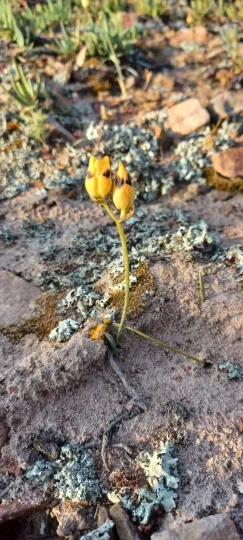
The spotted chincherinchee (Ornithogalum maculatum) is a botanical species belonging to the Asparagaceae family. Native to the arid regions of Southern Africa, it is known for its high resilience to environmental stressors.
Successful cultivation requires high-intensity lighting conditions. In its natural habitat, the plant thrives in open spaces where it receives maximum solar radiation throughout the day, which is vital for bulb maturation.
Soil requirements focus primarily on drainage. The species demands a gritty, well-draining substrate that mimics its native environment, as waterlogging is lethal to its sensitive root system during the dormant phase.
The plant follows a strictly seasonal growth cycle. It requires moisture during the growth phase and a completely dry, warm period for the bulb to enter dormancy. Disruption of this rhythm often leads to stunted growth or total failure.
Botanically, it is recognized for its unique floral patterns featuring dark, contrasting spots. The foliage is typically narrow and succulent-like, demonstrating clear adaptations to periodic water scarcity in its original range.
Main diseases and pests
The most significant threat to Ornithogalum maculatum is root rot, typically caused by Pythium or Fusarium species. These pathogens thrive in poorly drained substrates and can destroy entire populations rapidly.
Pest pressure often comes from spider mites, especially in greenhouse environments with low humidity. These pests feed on the cellular content of the leaves, resulting in yellowing and premature decline of the plant.
Thrips represent another major concern, as they frequently damage the floral spikes before they fully open. This damage reduces the aesthetic and commercial value of the crop in floriculture production.
Integrated Pest Management (IPM) strategies are recommended, focusing on maintaining optimal humidity levels and using biological control agents to keep mite populations under control.
Finally, growers must be aware of viral pathogens, which are often spread by insect vectors. Strict sanitation protocols and the immediate removal of symptomatic plants are essential to prevent the spread of infection throughout the nursery.