
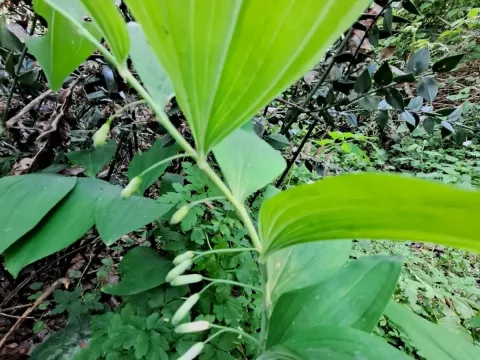
Solomon's seal
Polygonatum Mill.
Solomon's seal (Polygonatum Mill.) is a genus of herbaceous perennial plants belonging to the Asparagaceae family. Historically valued in traditional medicine, this plant is characterized by its rhizomatous root system, which allows it to thrive in stable woodland environments across the Northern Hemisphere.
What the section contains


Solomon's seal
The plant demonstrates a strong preference for shaded or semi-shaded habitats with high organic matter content in the soil. Unlike many agricultural crops, it does not tolerate direct sunlight, which can cause severe physiological stress and chlorophyll degradation in the foliage.
Agronomic requirements include well-drained, fertile soil with a slightly acidic to neutral pH level. It is essential to ensure that the moisture levels remain consistent throughout the growing season, as the plant lacks drought-tolerance mechanisms common to crops adapted to open fields.
Climatic adaptability is a significant strength of Polygonatum, as the species is highly frost-hardy and requires a winter dormancy period to initiate successful budding in the spring. Regions with extreme temperature fluctuations in spring should implement measures to protect emerging shoots.
Cultural practices involve minimal tillage to avoid damaging the shallow, spreading rhizomes. Incorporating leaf mold or well-decomposed organic fertilizers during site preparation provides the necessary nutritional base for consistent biomass accumulation over several years of harvest.
The lily beetle (Lilioceris lilii) is the primary pest affecting Solomon's seal. It feeds on both foliage and stems, often leading to total defoliation of the crop if left unmanaged. Integrated pest management using systemic insecticides or manual removal is necessary for large-scale production.
Fungal pathogens, particularly those causing leaf spot and stem rot, thrive in poorly ventilated environments. Maintaining proper spacing between plants is crucial to encourage air circulation and reduce the humidity levels that favor the development of these fungal spores.
Rhizome rot is a severe issue in soil conditions that are prone to waterlogging. To mitigate this threat, it is advised to install raised beds or ensure effective subsurface drainage systems before establishing the plantation in regions with heavy clay soils.
Mollusks such as slugs and snails are highly attracted to the succulent new growth of Solomon's seal in early spring. Application of protective barriers, such as crushed stone or copper strips, and the use of iron phosphate-based bait are common methods to minimize economic loss.
Viral infections may also occur, often transmitted by sap-sucking insects. Prevention relies on selecting certified disease-free stock and maintaining rigorous sanitation protocols for all pruning and harvesting tools used across the field during the growing cycle.