
Spring squill
Scilla verna
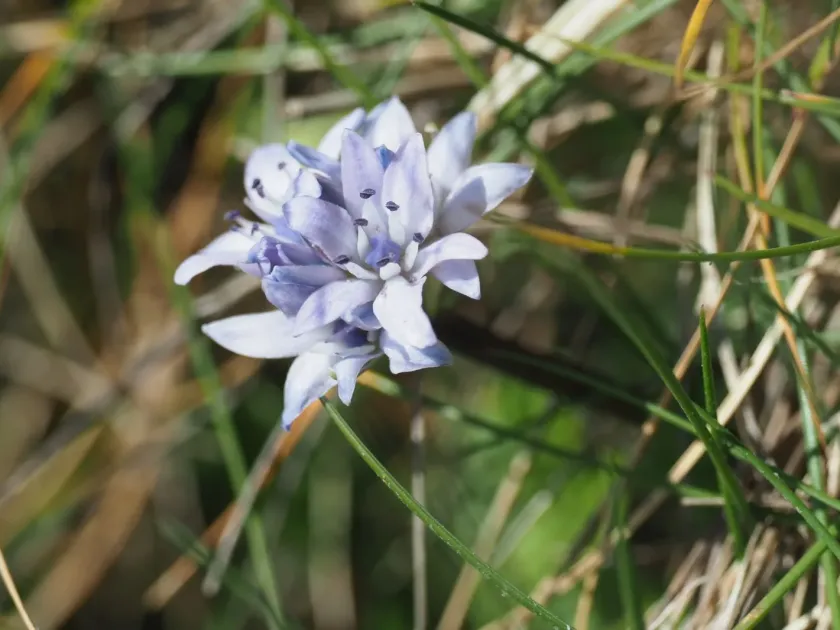
Description
Sowing dates
Planting of Scilla verna should be done in late summer or early autumn while the bulbs are in their dormant phase. The ideal period is between August and September to ensure proper establishment before winter.
Bulbs are typically planted at a depth of 5 to 8 centimeters. When planting for naturalizing effects, space the bulbs about 10 to 15 centimeters apart to allow them room to multiply over the following seasons.
Seeds can be sown immediately after collection in a prepared outdoor seedbed. Note that seed-grown plants typically require three to four years to reach their first flowering cycle.
Selecting a location that receives ample sunlight in early spring but provides partial shade during the summer is critical for the long-term success of the plants.
Spring squill is highly valued for its naturalizing ability; given the right environment, it will self-seed and spread steadily to form dense, attractive carpets of blue flowers.
Growing requirements
Spring squill is a member of the Asparagaceae family. It is a perennial geophyte (ephemeroid) adapted to a short life cycle, focusing its growth and flowering in early spring.
The plant thrives in nutrient-rich, well-draining, and slightly acidic to neutral soils. Efficient drainage is non-negotiable, as waterlogged soil quickly causes bulb rot.
Scilla verna prefers a cool, temperate climate with distinct seasonal changes. It is notably frost-hardy and easily withstands the fluctuating temperatures of early spring.
For optimal growth, add compost or leaf mold to the soil annually. This mimics the natural forest floor habitat where these plants historically thrive in the wild.
During the summer dormancy period, when the foliage disappears, the bulbs prefer a drier environment. Therefore, avoid planting them in areas that receive heavy summer irrigation.
Yield
The primary use of Scilla verna is in ornamental horticulture. It is frequently used in landscape design to create drifts of color in woodland gardens, rockeries, and lawns.
Its small stature and early flowering time make it an excellent choice for underplanting deciduous trees, as it completes its cycle before the tree canopy becomes fully dense.
The plant acts as an important early-season nectar source for bees and other pollinators, contributing significantly to local biodiversity in suburban and rural gardens.
Under favorable conditions, a healthy clump can remain undisturbed for many years, providing reliable floral displays every spring without the need for constant maintenance.
Commercial interest in this species remains steady among specialized bulb nurseries, as it offers a more nuanced and "wild" aesthetic compared to more common garden bulb varieties.
Main diseases and pests
The most common issues for Scilla verna are fungal infections such as fusarium and penicillium rot, which often occur when bulbs are stored or planted in soggy conditions.
Pests like bulb flies and various nematodes can infest the bulbs, weakening the plant's vitality and, in severe cases, leading to the total loss of the colony.
Slugs and snails are major threats to tender emerging shoots and flower buds, necessitating physical barriers or organic deterrents in damper garden zones.
- Use only firm, healthy bulbs for planting to avoid introducing pathogens.
- Incorporate grit or sharp sand into the planting hole to improve drainage.
- Monitor the area in early spring for signs of pest damage.
Effective management involves maintaining good air circulation around the plants and avoiding over-crowding, which helps mitigate the spread of fungal diseases.