
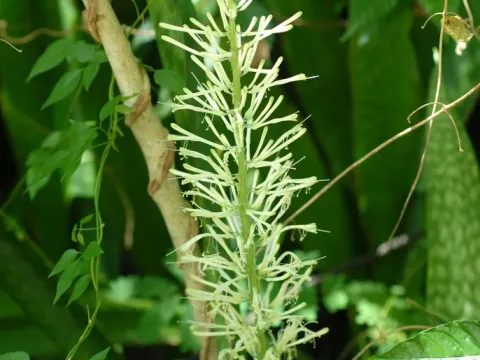
Sansevieria
Sansevieria x Dracaena
Sansevieria is a genus of evergreen, perennial, herbaceous plants in the Asparagaceae family, now taxonomically included in the genus Dracaena. These plants are native to arid, rocky environments in tropical and subtropical Africa, and parts of Southern Asia.
What the section contains
Sansevieria
The culture thrives in bright, indirect light but exhibits high adaptability to various indoor and outdoor conditions. Ideal growing temperatures range between 18°C and 27°C, though the plant is sensitive to frost and prolonged cold exposure below 10°C, which can cause tissue damage.
Soil requirements focus primarily on drainage. The optimal substrate is a loose, well-aerated mix that prevents water stagnation. Sandy or rocky loam soils are preferred in cultivation to ensure the root system does not remain saturated, as this plant is highly susceptible to root rot.
Commercially, Sansevieria is cultivated for its long, rigid, fibrous leaves. The extracted fibers are characterized by high tensile strength and longevity, traditionally used for manufacturing ropes, twines, and industrial textiles, often referred to as African hemp.
Agronomic management involves infrequent but deep irrigation, allowing the substrate to dry out between cycles. Fertilization is necessary only during the active growth phase, as over-fertilization can weaken the structural integrity of the leaves, which is vital for fiber production.
The primary threats to Sansevieria are fungal diseases such as leaf spot and basal rot, which are triggered by high humidity levels or poor drainage in the growing medium.
Insect pests include the mealybug, which colonizes the leaf bases and protected areas of the plant, and spider mites, which thrive in low-humidity environments causing foliage discoloration.
Integrated pest management (IPM) strategies are essential, utilizing systematic fungicides for fungal outbreaks and appropriate acaricides or insecticides for pest control.
Maintaining proper hygiene by removing dead or decaying leaves is critical to preventing the spread of pathogens throughout the cultivation area.
Effective air circulation remains the most vital preventive measure against both fungal growth and infestations by small sap-sucking insects in large-scale nursery setups.