
Sardinian squill
Scilla sardensis
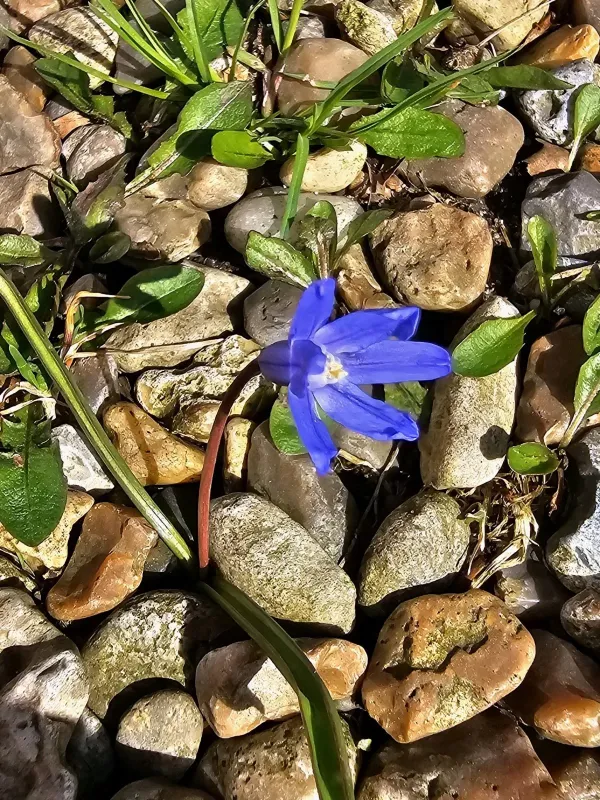
Description
Growing requirements
Sardinian squill (Scilla sardensis) is a perennial bulbous plant belonging to the Asparagaceae family. Native to the island of Sardinia, this species is typically found in rocky, well-draining habitats, which dictates its preference for specific growing conditions in gardens.
The culture thrives in fertile, well-drained soils that mimic its natural rocky environment. It is essential to avoid sites where water tends to pool, as constant moisture during the dormant summer phase often leads to the rotting of the bulbs.
Climate requirements for this plant include a cool spring for optimal flowering and a warmer, drier period for the plant to enter dormancy. It exhibits great hardiness and is capable of withstanding significant fluctuations in temperature during early spring.
Agrotechnical practices involve planting the bulbs at a depth of 8 to 10 centimeters to ensure they are protected from extreme frost. A spacing of about 5 to 10 centimeters between bulbs is recommended to allow for healthy development and natural spreading over subsequent years.
In terms of agricultural and horticultural use, the Sardinian squill is highly valued for its intense blue, star-shaped flowers. It serves as an excellent groundcover for naturalizing in woodland areas, rock gardens, and container planting due to its modest size and early bloom time.
Main diseases and pests
The primary threats to the cultivation of Scilla sardensis involve fungal pathogens that thrive in overly wet conditions. Grey mold (Botrytis) and various types of bulb rot are the most common issues that growers encounter when soil drainage is insufficient.
Pests such as rodents represent a significant threat to the bulbs, particularly during the winter period when food sources are scarce. Furthermore, mollusks like slugs and snails can severely damage the emerging foliage in early spring, hindering the photosynthetic process.
Proactive management includes treating bulbs with fungicides prior to planting to prevent soil-borne diseases. Ensuring a porous soil structure, often by adding coarse sand or fine gravel, is the most effective way to prevent fungal infections from developing at the root level.
Pest control strategies should involve monitoring the area during the growing season and using organic barriers or appropriate molluscicides if necessary. Keeping the garden area clear of excessive decaying organic matter helps reduce the habitat for many common pests.
Regular maintenance, including the division of overcrowded clumps every few years, ensures the vitality of the planting. This practice also allows for the inspection of bulbs, ensuring that any diseased specimens are removed before they can negatively impact the entire bed.