
Ruscus hybrids
Ruscus hybrids
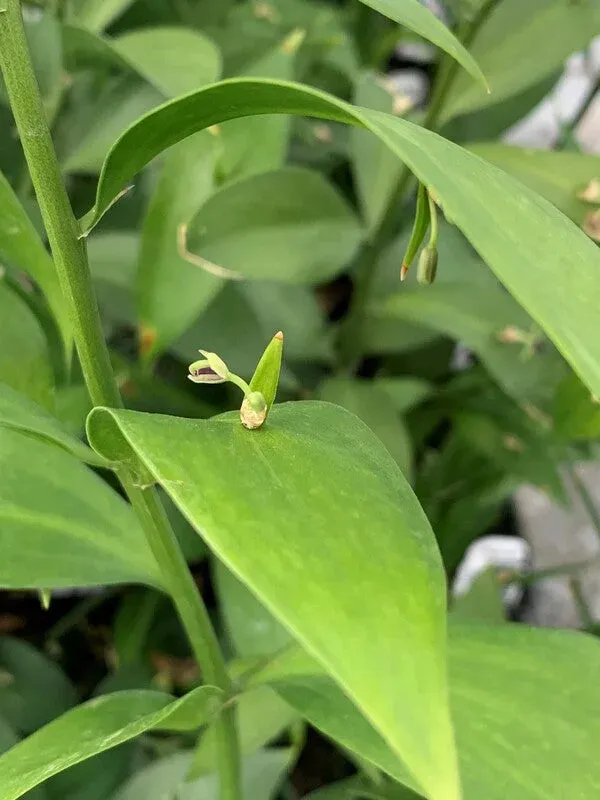
Description
Growing requirements
Ruscus hybrids belong to the Asparagaceae family and represent a group of evergreen perennial plants valued for their unique morphology. These plants are widely used in commercial floriculture as a source of premium decorative greenery, featuring stiff, long-lasting foliage.
The plant features cladodes, which are flattened stem structures that perform the function of leaves. These structures are leathery, dark green, and highly durable. True leaves are reduced to small, inconspicuous scales on the stems. The root system consists of thick, creeping rhizomes.
Successful cultivation of Ruscus hybrids requires well-drained, fertile soil with a slightly acidic to neutral pH. Providing proper drainage is critical, as these plants are highly susceptible to root rot if water stagnation occurs, especially in heavy or compacted soil types.
Climate requirements involve mild temperatures, as the plant is not fully frost-hardy in all regions. While they can tolerate deep shade, they perform best in filtered light. In commercial operations, they are often grown under shade cloth or in greenhouses to maintain foliage quality.
Agricultural management includes balanced irrigation and periodic fertilization. During the growing season, moderate nitrogen application promotes the development of new, healthy cladodes. Mulching the soil surface helps retain moisture and protects the rhizomes from temperature fluctuations.
Main diseases and pests
Scale insects are among the most persistent pests for Ruscus hybrids. They attach themselves to the cladodes, draining plant sap and causing yellowing. Regular monitoring and the application of horticultural oils or systemic insecticides are recommended for control.
Spider mites can become a major threat in greenhouse environments where humidity levels are low. These pests cause significant damage to the plant's surface, leading to loss of color and plant vigor. Increasing humidity and using appropriate miticides are standard mitigation tactics.
Fungal pathogens, particularly root rot, are often caused by over-irrigation or lack of drainage. When roots begin to decay, the entire plant loses its ability to transport nutrients, leading to rapid decline. Prevention through soil management is the only effective solution.
The use of certified disease-free planting material is essential for establishing a healthy crop. Quarantine measures for imported cuttings help prevent the introduction of new regional pests that could compromise the entire production cycle.
- Regular inspection for scale colonies.
- Optimization of greenhouse ventilation.
- Drip irrigation to prevent overhead moisture accumulation.
- Sanitation of pruning tools to prevent pathogen spread.
Harvesting
The primary use of Ruscus hybrids is in the floral industry, where they are favored for their ability to maintain freshness for several weeks after harvest. This makes them a staple 'filler' greenery for bouquets and complex arrangements.
In landscaping, these plants are utilized for creating decorative borders in shaded areas where typical turf or flowering plants struggle to survive. Their slow growth rate and drought tolerance (once established) make them a low-maintenance choice for temperate landscapes.
Harvesting involves cutting mature, fully developed stems with pruning shears. Commercial growers typically sort the harvest by stem length and stem density, bundling them for shipment to wholesalers. Proper handling ensures that the leathery surface of the cladodes remains unblemished.
Post-harvest storage requires keeping the cut foliage in a cool, humid environment. Proper hydration before and during storage significantly extends the vase life of the stems, ensuring that the final product meets high market standards for aesthetics and longevity.
In addition to decorative uses, specific varieties are studied for their potential in pharmacological applications due to the presence of ruscogenins. These compounds are known for their vascular-strengthening properties, increasing the crop's industrial value.