
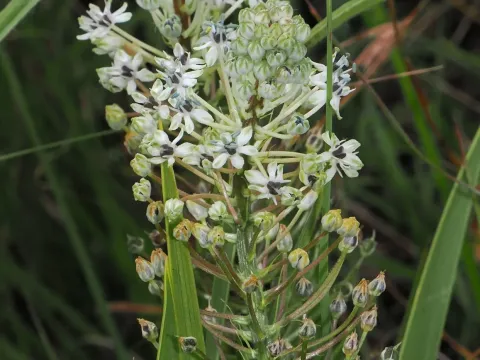
Schizocarphus
Schizocarphus
Schizocarphus is a genus of bulbous plants belonging to the Asparagaceae family. Native primarily to the diverse ecosystems of Southern Africa, these plants have evolved to survive in semi-arid environments characterized by distinct wet and dry seasons.
What the section contains

Schizocarphus
The botanical structure of Schizocarphus features a bulbous base that serves as a storage organ. Its leaves often exhibit unique patterns, and the floral architecture consists of small, densely packed inflorescences that emerge from the center of the bulb during the active growing phase.
Cultivation requirements necessitate a well-draining substrate. Growers should utilize a mix consisting of coarse sand, perlite, and a small portion of organic matter. This structure prevents the moisture retention that leads to bulb rot, a common issue in artificial cultivation settings.
Regarding climate, Schizocarphus demands bright, indirect light to maintain compact growth. Excessive darkness will lead to etiolation, where the plant stretches and loses its natural coloration, significantly reducing its aesthetic and physiological health.
Temperature management is vital; these plants do not tolerate frost. In controlled environments, providing a warm summer season and a cool, dry winter dormant period is necessary to trigger the plant's natural life cycle and promote future flowering.
The primary threat to Schizocarphus health is Fusarium bulb rot, triggered by poor ventilation and waterlogged soil conditions. This fungal disease spreads rapidly if moisture management is inconsistent during the dormant phase.
Mealybugs are the most common pests found on Schizocarphus. These insects typically colonize the base of the leaves and the neck of the bulb, where they feed on plant sap and can weaken the specimen if not managed promptly.
Spider mites represent another significant risk, particularly in indoor environments with low humidity. They can cause rapid leaf chlorosis and eventual necrosis, making regular misting or humidity control an essential part of the plant maintenance routine.
For effective disease control, it is recommended to apply prophylactic systemic fungicides during the planting stage. Ensuring that bulbs are clean and free of physical damage before storage is the best defense against bacterial pathogens.
Proper hygiene is crucial to maintain a healthy collection. Any damaged or decaying foliage must be removed immediately to prevent the spread of mold, which often precedes secondary bacterial infections in the moist environment of the leaf crown.