
Schott's agave
Agave schottii
Description
Growing requirements
Schott's agave (Agave schottii) is a member of the Asparagaceae family. This small, clumping succulent is native to the arid environments of the southwestern United States and northwestern Mexico, primarily inhabiting rocky slopes and desert scrublands.
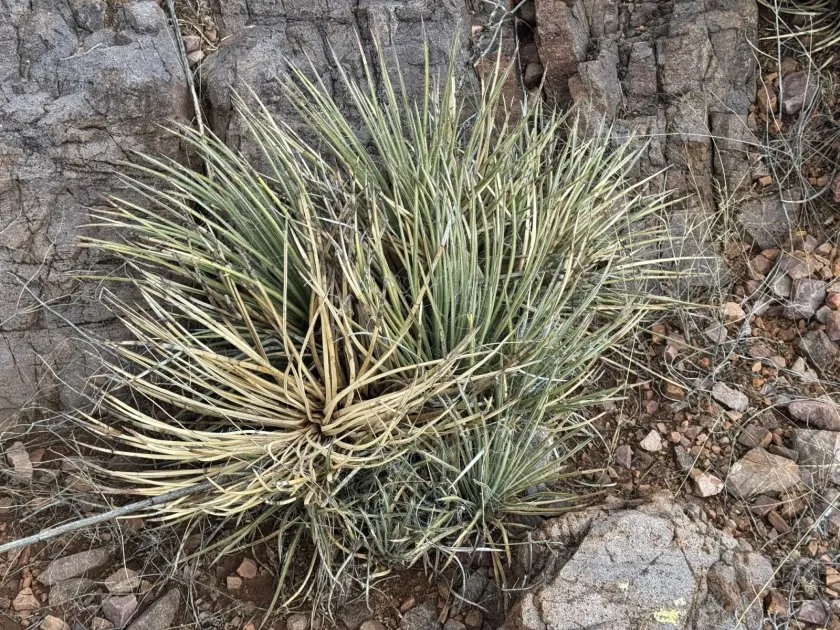
The plant features small, dense rosettes composed of narrow, rigid leaves that typically reach lengths of up to 30–40 cm. The leaves range in color from yellowish-green to deep green, tipped with a sharp terminal spine that provides defense against herbivores.
Agricultural success with Agave schottii depends heavily on soil composition. It requires extremely well-draining, gravelly, or sandy soil. In cultivation, heavy clay soils or organic-rich composts should be avoided as they promote root rot and fungal infections.
This species is highly drought-tolerant and thrives in full sun exposure. It is perfectly adapted to survive in areas with minimal rainfall, utilizing its thick, succulent leaves to store water efficiently throughout hot and dry seasons.
Temperature requirements for this species include warm summers and relatively mild winters. While it is somewhat hardy compared to tropical agave species, it must be protected from prolonged freezing temperatures and excessive winter precipitation to ensure long-term health.
Main diseases and pests
The most significant threats to Agave schottii are fungal and bacterial rots, which are almost exclusively caused by improper irrigation. Overwatering, especially during the dormant winter months, creates an environment where pathogens can rapidly destroy root tissues.
Pest issues include infestations by mealybugs, scale insects, and occasionally agave snout weevils. These pests target the leaf surfaces and the base of the rosette, which can severely weaken the plant and lead to secondary infections.
Effective management involves maintaining high air circulation and ensuring that the base of the plant remains dry. In a professional nursery setting, preventative sanitation is key to avoiding the introduction of pests or pathogens into the collection.
When chemical intervention is necessary, it is critical to use systemic insecticides that penetrate the plant tissues without damaging the waxy cuticle of the leaves. Always test treatments on a small portion of the plant before applying them to the entire crop.
General plant vigor is the best defense against threats. By providing the specific arid conditions that Agave schottii requires, growers can minimize the need for pesticides and fungicides while promoting steady, healthy growth patterns.