
Samuela
Samuela
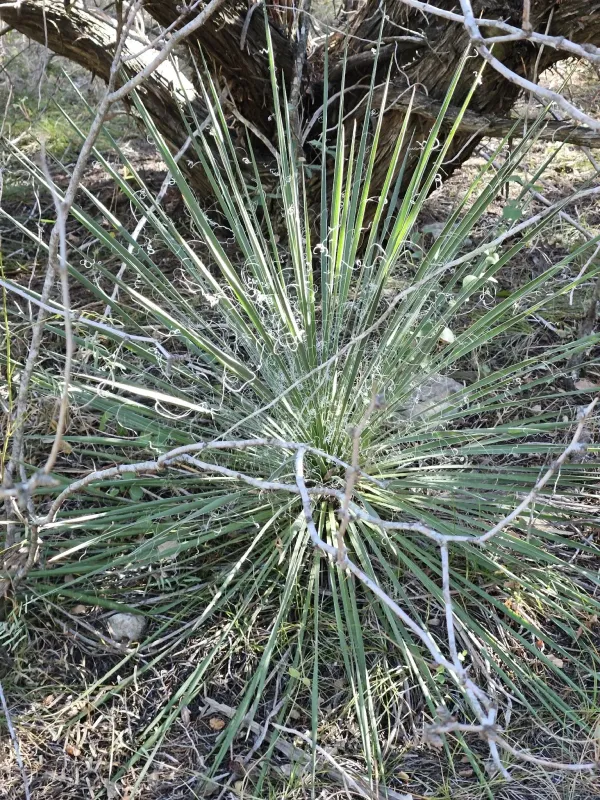
Description
Growing requirements
Samuela (Samuela), often recognized today within the Yucca genus, belongs to the Asparagaceae family. This woody succulent is characterized by its robust trunk and distinctive stiff, sword-shaped leaves arranged in a dense rosette at the crown.
The plant originates from the arid regions of northeastern Mexico and the southwestern United States. It is perfectly adapted to survive in harsh environmental conditions with minimal moisture and extreme temperature fluctuations throughout the year.
For successful cultivation, Samuela requires well-draining, sandy, or rocky soil that mimics its natural habitat. It is essential to avoid any water stagnation in the root zone, as the plant is highly susceptible to root rot in poorly aerated, dense soil types.
The species is extremely sun-demanding and thrives only in locations with direct, full sunlight. In regions with long cloudy periods or low light levels, the plant's development slows down, and its structural integrity may become compromised.
In terms of хозяйственное usage, Samuela is primarily valued as an ornamental crop in xeriscaping and sustainable landscape design. Its architectural beauty makes it a preferred choice for dry garden projects where conservation of water resources is a priority.
Main diseases and pests
The most significant threats to Samuela are fungal infections, which are almost always the result of overwatering or inadequate soil drainage. Fungal pathogens can quickly destroy the root system and the base of the stem if moisture levels remain high.
Common insect pests include scale insects and mealybugs, which tend to hide in the tight crevices between the leaves. These pests weaken the plant by feeding on its sap, often leading to secondary infections or the colonization of soot mold.
Spider mites can also be a problem, especially when the plant is kept in confined or poorly ventilated indoor spaces. They thrive in dry, warm conditions and can cause significant damage to the leaf tissue if not managed promptly.
Effective management includes regular inspection of the leaf axils and the application of appropriate systemic pesticides when necessary. Keeping the plant healthy through optimal environmental control is the best natural defense against potential pest outbreaks.
Proper hygiene is essential: remove any decaying leaf matter from the base of the plant to prevent the accumulation of pests and fungi. With the right approach to soil and light management, this species remains remarkably resilient and long-lived.