
Ruscus streptophyllus
Ruscus streptophyllus
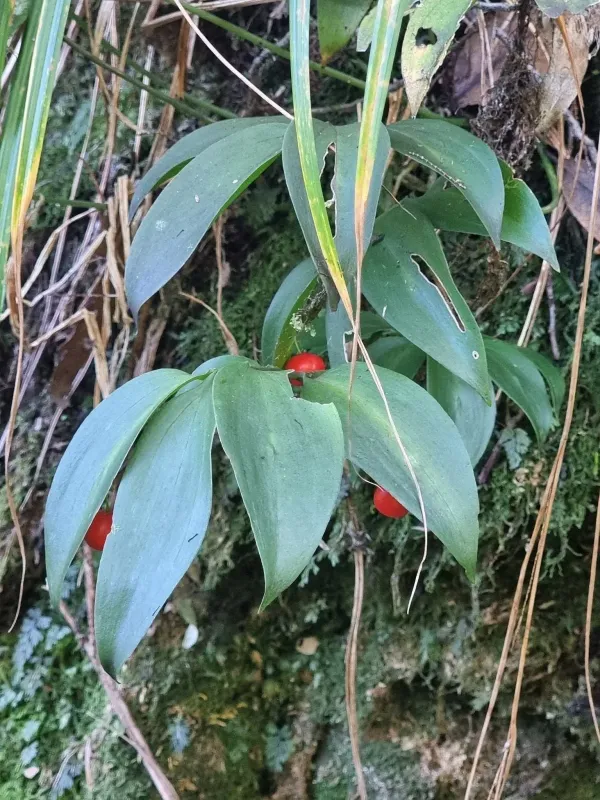
Description
Growing requirements
Ruscus streptophyllus is a perennial evergreen shrub belonging to the Asparagaceae family. The plant is characterized by its unique modified stems, known as phylloclades, which serve the function of leaves, allowing the plant to thrive in challenging environments.
Native to specific subtropical regions, this species requires a sheltered environment. In cultivation, it prefers partial shade, as intense direct sunlight can easily damage the delicate yet leathery structure of its phylloclades during the summer months.
Soil requirements are strict: the medium must be well-drained, airy, and rich in organic matter. A sandy-loam soil mix is ideal to prevent root rot, which remains the most common physiological disorder when the drainage system is compromised.
The climate must be mild, as the plant is not frost-tolerant. Greenhouse cultivation is necessary in regions with cold winters, maintaining temperatures between 18 and 24 degrees Celsius for optimal growth and development of the foliage.
Regular irrigation is required during the active growing season, but the soil surface should be allowed to dry slightly between watering cycles. During the dormant winter period, water intake should be significantly reduced to prevent root stress.
Harvesting
The primary economic value of Ruscus streptophyllus lies in the floral industry. Its durability and long vase life make it an essential component for high-end bouquets and large-scale decorative floral arrangements worldwide.
Harvesting is performed manually using sharp, sterilized tools to prevent mechanical damage to the main rhizome. Workers select fully matured stems, ensuring that the plant retains enough photosynthetic material to regenerate efficiently after pruning.
Post-harvest management is crucial for maintaining quality. The stems should be bundled and kept in cold storage at temperatures ranging from 2 to 5 degrees Celsius to ensure that the foliage remains vibrant and turgid for shipping.
Disease prevention is a key part of the harvesting process. Regular scouting for pests or fungal growth is necessary to ensure that only healthy stems enter the distribution chain, upholding the quality standards of the agricultural enterprise.
Efficiency in harvesting is increased by systematic plantation design. By maintaining proper spacing between rows, producers facilitate easier access for workers, which optimizes labor costs and minimizes accidental breakage of stems during the harvest cycle.