
Schizocarphus vandermerwei
Schizocarphus Van der Merwe
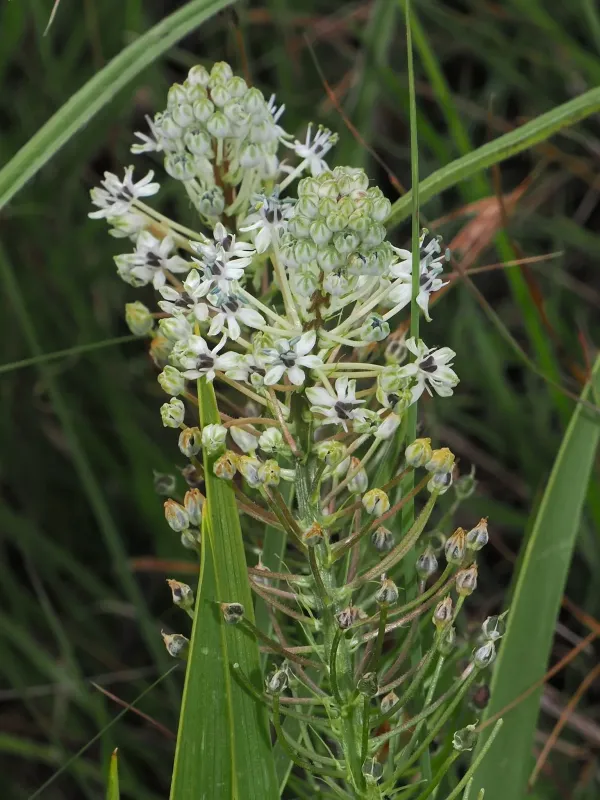
Description
Sowing dates
Schizocarphus vandermerwei, a member of the Asparagaceae family, is a bulbous perennial originating from specific ecological niches. Cultivation requires an understanding of its natural dormant cycle.
Propagation is typically achieved through seeds or offset bulbs. Sowing seeds requires a sandy, well-draining medium and consistent light exposure to ensure uniform germination across the batch.
When using offset bulbs, it is essential to allow the surface of the cuts to callus before planting. This prevents moisture infiltration and subsequent fungal infection during the establishment phase.
The planting depth is generally shallow, reflecting the plant's natural habit of staying near the soil surface. Proper spacing is necessary to allow for optimal air circulation between plants.
The timing of planting should align with the seasonal transition, typically at the end of the dormancy period when temperatures begin to rise steadily, signaling the return of active growth.
Growing requirements
This species demands high light intensity. Without sufficient exposure to sunlight, the plant will fail to thrive and may exhibit signs of etiolation, significantly reducing its overall vigor.
Soil structure is paramount for success. A medium that provides rapid drainage is essential, as the roots are highly susceptible to oxygen deprivation caused by excessive water retention.
Temperature fluctuations should be minimized during the active growing phase. While the plant can tolerate some heat, cold, damp conditions are detrimental and often lead to bulb rot.
Irrigation practices must be precise. Watering should be applied only when the growing medium has sufficiently dried out, avoiding any form of saturation in the bulb's immediate vicinity.
Nutrient management focuses on the application of balanced minerals during the vegetative surge. Excessive nitrogen should be avoided to promote robust, compact growth rather than soft, vulnerable foliage.
Main diseases and pests
The most significant threat to Schizocarphus vandermerwei is the development of fungal pathogens such as Fusarium wilt. These fungi exploit high humidity and poor drainage to attack the bulb.
Pests like bulb mites and thrips pose constant challenges. Mites can destroy the bulb from within, while thrips target the leaf tissues, leading to stunted development and viral transmission.
Regular monitoring for early signs of infection, such as leaf yellowing or softening of the bulb, is essential for effective disease management in any intensive growing environment.
Treatment involves the use of targeted fungicides and miticides. Integrated Pest Management (IPM) strategies, including rotation and cleaning, are highly recommended to reduce chemical reliance.
Environmental management remains the primary tool for prevention. By controlling airflow and humidity levels, growers can significantly lower the risk of pest and pathogen outbreaks.