
Scilla
Scilla
Scilla is a genus of perennial bulbous plants belonging to the Asparagaceae family. Originating from diverse regions across Europe, Africa, and Asia, these plants are well-adapted to woodland areas, meadows, and mountain slopes.
What the section contains


Scilla
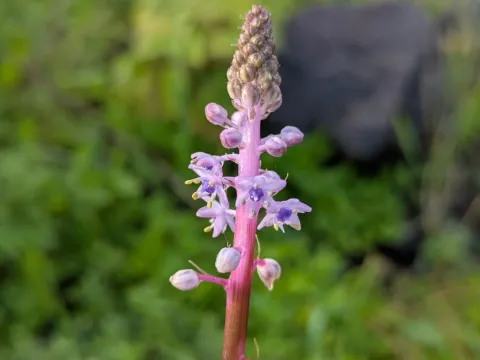
Botanically, Scilla is characterized by its small, tunicated bulbs and basal, strap-like leaves. The inflorescence typically appears in early spring, producing small, bell-shaped flowers in shades of blue, white, or purple.
Regarding climate, Scilla is highly resilient and frost-hardy. It thrives in temperate regions, preferring cool spring temperatures and sufficient moisture during the initial growth phase, followed by a period of summer dormancy.
The soil requirements for optimal growth include well-drained, humus-rich loam with a neutral to slightly acidic pH. The site must be chosen to avoid waterlogged conditions, which can lead to bulb decay.
In terms of agricultural and horticultural use, Scilla is primarily cultivated as an ornamental plant. It is widely used in rock gardens, woodland borders, and lawn naturalization due to its vigor and early blooming cycle.
Planting of Scilla bulbs should occur in late summer or early autumn. Placing the bulbs at a depth of 5–10 cm allows them to establish roots before the ground freezes in winter.
The primary threats include fungal diseases such as gray mold (Botrytis) and bulb rot, which are often triggered by excessive soil moisture and poor ventilation.
Major pests that may impact Scilla plantations include bulb mites and rodents, specifically voles, which feed on the bulbs, significantly reducing the density of the planting.