
Ruscus microglossum
Ruscus microglossum
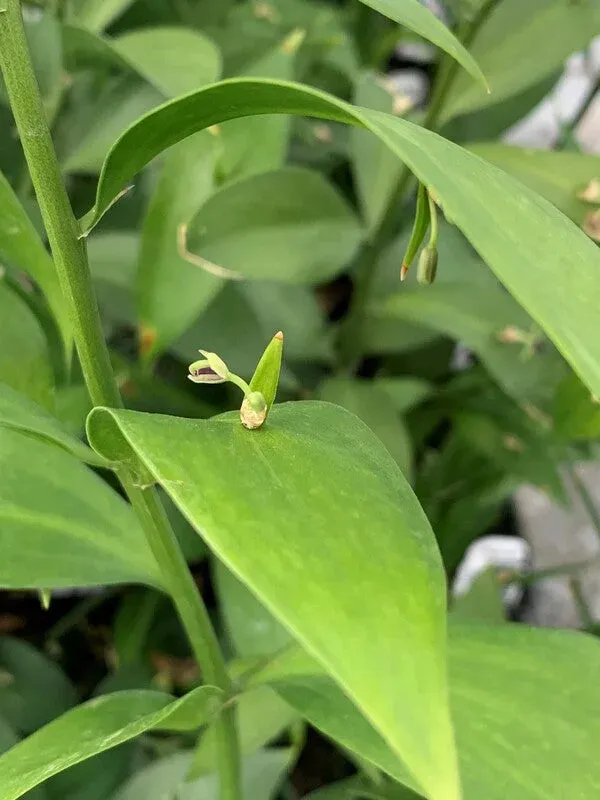
Description
Growing requirements
Ruscus microglossum is a hardy evergreen subshrub belonging to the Asparagaceae family. Originally native to the Mediterranean region, this plant has adapted to thrive in shaded, moisture-retentive woodland environments, making it a unique addition to specialized crop portfolios.
The plant is biologically distinguished by its phylloclades, which are flattened, leaf-like stem structures. True leaves are reduced to small, inconspicuous scales, an adaptation that allows the plant to conserve water while performing photosynthesis efficiently.
For successful cultivation, Ruscus microglossum requires well-draining, nutrient-rich soil with a neutral to slightly acidic pH. Proper soil aeration is essential, as the root system is highly sensitive to waterlogging, which often results in root rot and plant decline.
Environmental requirements include a stable climate with diffused light. The plant does not tolerate direct, harsh sunlight, which causes scorching of the phylloclades, so greenhouse or shade-cloth management is typically required in commercial production.
Agrotechnical practices involve regular fertilization with balanced NPK formulas during the growing season. Propagation is primarily performed by rhizome division, as this method ensures the rapid establishment and uniform development of new plant stock.
Main diseases and pests
Key phytopathological threats include various fungal pathogens such as Pythium or Fusarium, which typically manifest under high-humidity and poor-ventilation conditions. Improving airflow and strictly monitoring soil moisture are critical preventative steps.
Common pests include scale insects and mealybugs, which can cause significant damage to the plant tissue if left unchecked. Integrated Pest Management (IPM) strategies, including the use of systemic insecticides and biological controls, are recommended for maintaining plant health.
Harvesting
The primary agricultural value of Ruscus microglossum lies in its role within the cut-flower and decorative foliage industry. The rigid, glossy phylloclades are highly prized for their longevity and structural aesthetics in professional floral arrangements.
Harvesting involves selecting mature, fully colored stems that have achieved sufficient thickness. Proper harvesting technique requires a clean cut above the soil line to preserve the health of the rhizomes, ensuring the longevity of the plant beds for future seasonal harvests.