
Ophiopogon
Ophiopogon Ker -Gawl.
Ophiopogon (Ophiopogon Ker-Gawl.) is a genus of evergreen perennial plants belonging to the Asparagaceae family. Native to East Asia, including regions of China, Japan, and the Himalayas, these plants naturally thrive in forest understories and shaded rocky slopes.
What the section contains


Ophiopogon
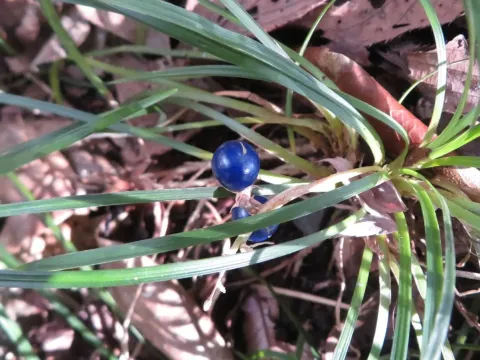
Botanically, Ophiopogon is characterized by its grass-like, linear leaves that form dense, compact clumps. The root system is often fibrous and may feature small tuberous roots that assist the plant in storing nutrients and enduring temporary dry spells.
Cultivation requires well-drained, nutrient-rich soils with a slightly acidic to neutral pH. While the plant is adaptable, it performs best in partial to full shade, as direct, intense sunlight can cause leaf scorching and reduce the plant's overall vigor.
The plant requires consistent moisture during the growing season but is susceptible to root rot if the soil remains waterlogged. It thrives in moderate temperatures and benefits from a mulch layer to help regulate soil temperature and moisture retention.
In terms of хозяйственное (economic) utility, Ophiopogon is widely valued in horticulture and landscape architecture. It is commonly used as a groundcover, in rock gardens, or as a decorative border plant, often chosen for its ability to maintain foliage color throughout the year.
The primary threat to Ophiopogon is root rot caused by fungi, particularly in soils with poor drainage. Overwatering is the most common cause of this issue, leading to soft, decaying roots that eventually result in the plant's decline.
Slugs and snails are the most prevalent pests that affect these plants, especially in moist and shaded garden environments. They feed on the tender foliage, creating unsightly holes that can disfigure the plant clusters.
Spider mites can occasionally infest Ophiopogon, usually in warmer and drier conditions. These small pests suck sap from the leaves, causing stippling or a dull, unhealthy appearance to the foliage surface.
Management of these threats involves cultural controls such as improving soil drainage and spacing plants appropriately to promote airflow. Applying physical barriers or using specific baits can effectively manage slug populations without harming the plants.
If fungal diseases are detected, the use of appropriate fungicides is recommended. Regular inspection and the removal of dead or rotting leaves help to maintain plant hygiene and significantly reduce the risk of secondary infections within the planting area.