
Ophiopogon intermedius
Ophiopogon intermedius D. Don
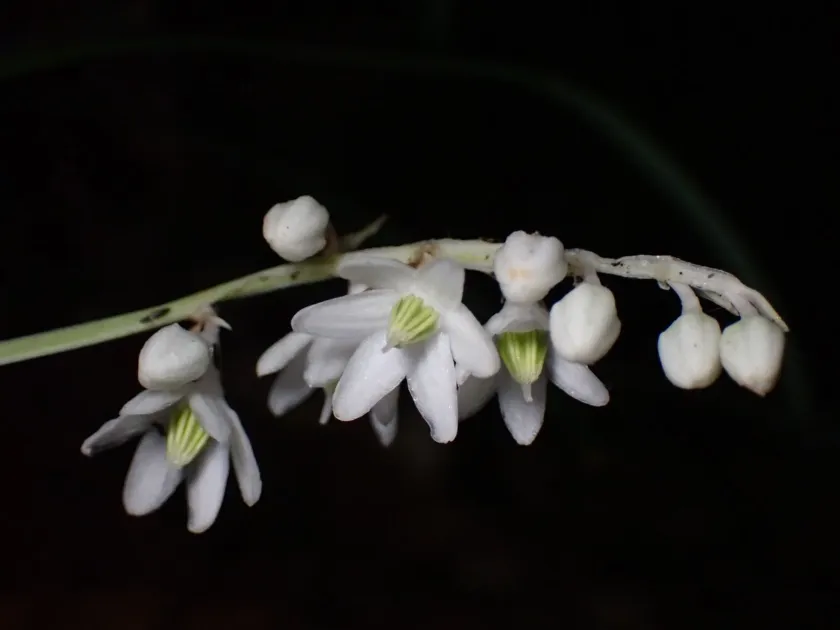
Description
Sowing dates
Propagation of Ophiopogon intermedius is typically carried out through seed sowing or rhizome division. Seeds should be sown in the spring once all danger of frost has passed, or starting in late winter within a greenhouse environment.
Seeds require a period of cold stratification to break dormancy. Placing the seeds in a moist medium at a temperature between 2°C and 5°C for several weeks significantly improves the germination rate and uniformity.
When sowing, use a well-draining potting mix. Cover the seeds lightly with vermiculite or soil, as they require consistent moisture to sprout effectively. Maintaining a high humidity level during the initial weeks is essential.
Division is a more popular method for established plants. The best time for this process is during the dormant season or early spring just before new growth commences. Carefully separate the clumps into smaller segments.
Ensure that each division has a portion of the rhizome and several healthy leaves. Plant the segments at the same depth they were previously growing to avoid burying the crown, which can lead to decay.
Growing requirements
Ophiopogon intermedius, a member of the Asparagaceae family, is a slow-growing evergreen perennial. Native to the Himalayan region and parts of Southeast Asia, it is highly valued for its grass-like foliage.
The plant thrives in partial to full shade, making it an excellent choice for woodland gardens. Intense, direct sunlight can bleach the leaves and hinder the plant's overall development and vigor.
Soil requirements include high organic content, good drainage, and a slightly acidic to neutral pH. It adapts well to various soil types, provided they remain consistently moist but not waterlogged.
Regular watering is necessary, especially during the first growing season and throughout dry spells in summer. Mulching around the base helps retain soil moisture and suppresses competing weeds in the landscape.
This species is moderately hardy. In colder regions, providing a protective layer of organic mulch during winter is recommended to insulate the roots from sudden temperature drops and freezing soil conditions.
Main diseases and pests
Root rot is the most significant threat to Ophiopogon intermedius. This condition is almost always caused by poor drainage or excessive watering, which deprives the roots of necessary oxygen and encourages fungal pathogens.
Slugs and snails are common pests that feed on the foliage, often leaving unsightly holes. Using barrier methods, such as crushed eggshells or copper tape, can effectively protect the plants in sensitive garden areas.
Aphids may occasionally infest new growth, especially during periods of high stress. A gentle blast of water or the application of insecticidal soap is usually sufficient to manage these populations without chemicals.
Leaf spot diseases can occur if plants are overcrowded or if air circulation is insufficient. To mitigate this risk, ensure proper spacing between plants and avoid overhead watering that keeps the foliage wet for too long.
Regular monitoring for signs of stress, such as yellowing leaves or wilting, allows for quick intervention. Providing a balanced, slow-release fertilizer in early spring can help maintain plant health and natural resistance.