
Black mondo grass
Ophiopogon planiscapus Nakai
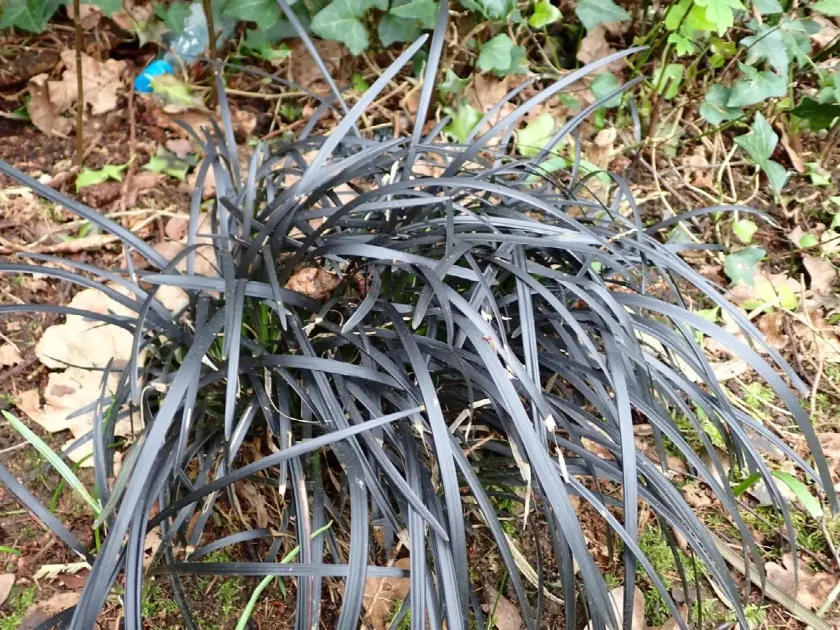
Description
Growing requirements
Ophiopogon planiscapus, commonly known as black mondo grass, belongs to the Asparagaceae family. This rhizomatous perennial originates from the temperate forests of Japan and the Korean Peninsula, where it thrives in shaded environments.
The plant is distinguished by its grass-like appearance, forming dense tufts of foliage. The most popular cultivar, 'Nigrescens', is famous for its striking near-black leaves, which provide a dramatic contrast in any landscape design.
To cultivate this species successfully, choose a location with partial shade or filtered light. It requires rich, loamy, and well-draining soil to prevent root rot while maintaining sufficient moisture levels throughout the growing season.
Climate adaptation is a key factor; while it is hardy in zones 6-9, it requires protection from severe frost. Consistent watering is essential, as the plant is not drought-tolerant and will suffer if the soil dries out completely.
Its primary use is in ornamental gardening as a ground cover, edge plant, or specimen in rock gardens. Due to its slow growth rate, it is an excellent choice for low-maintenance garden designs that prioritize aesthetic appeal.
Main diseases and pests
Black mondo grass is generally resistant to most pests and diseases. However, environmental stress, particularly waterlogging, can create favorable conditions for soil-borne pathogens and root decay.
The most common pests affecting this plant are slugs and snails, which can quickly consume the tender new foliage. Infestations are most frequent during wet spring and autumn seasons when these mollusks are most active.
To manage pest populations, gardeners should focus on cultural controls, such as removing garden debris that offers shelter to slugs. Physical barriers like crushed eggshells or copper tapes can also be effective around the plant base.
When chemical treatment is necessary, it is important to choose environment-friendly options that do not harm beneficial garden wildlife. Always monitor the health of the plant during periods of high humidity.
Proper plant hygiene, including the removal of dead or decaying leaves, is essential to maintain overall vitality. Well-spaced plantings help improve airflow, further reducing the risk of disease outbreak.