
Nectaroscilla
Nectaroscilla
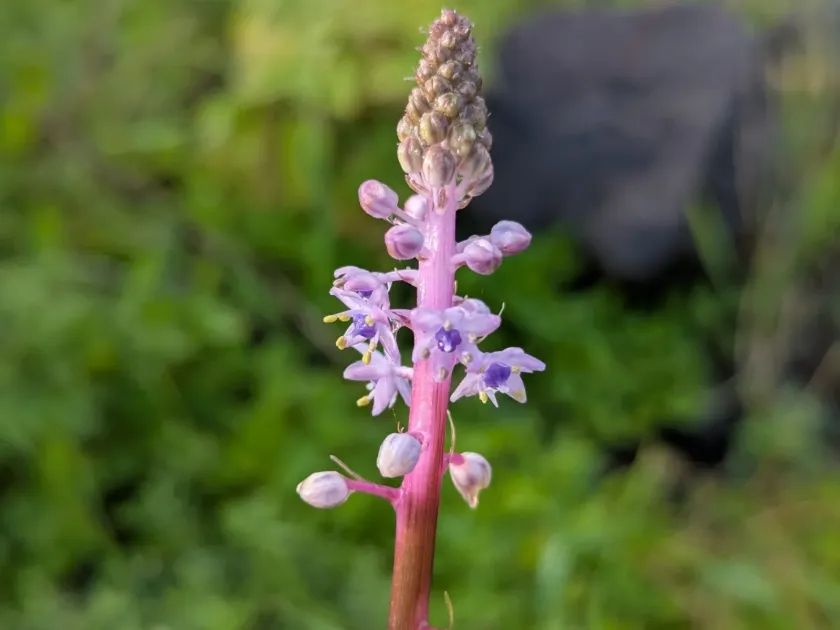
Description
Sowing dates
Nectaroscilla bulbs are typically planted in the autumn, several weeks before the ground freezes, to ensure proper root development before winter. Proper timing is critical for the plant's health.
The planting depth should be approximately three times the diameter of the bulb. This depth protects the plant from extreme temperature fluctuations and ensures stability during growth.
Spacing is vital for healthy airflow and disease prevention; bulbs should be placed 10 to 15 centimeters apart. Overcrowding can lead to stunted growth and fungal outbreaks.
For container-based commercial production, early autumn planting is preferred. This allows growers to manage the environment effectively and prepare for early season market demands.
Propagation is most successful through division of offsets after the foliage has died back naturally. This dormant period is the best time to handle the bulbs to minimize stress.
Growing requirements
This crop thrives in well-drained, sandy loam soils. Good drainage is essential, as saturated soil can cause the bulbs to rot within a very short period of time.
Nectaroscilla performs best in full sun but can tolerate partial shade in warmer climates. Sufficient light is necessary for the development of robust flower stalks and foliage.
Balanced moisture is required during the active growing season. While the plant appreciates regular watering, it is sensitive to waterlogged conditions that occur in heavy clays.
Soil pH should ideally be neutral or slightly alkaline. Acidic soils should be amended with lime before planting to create a more favorable environment for growth.
Regular fertilization with balanced nutrients during the peak of the growing season supports bulb rejuvenation. Nitrogen, phosphorus, and potassium are key for long-term health.
Main diseases and pests
Fungal pathogens such as Fusarium rot represent the most significant threat to Nectaroscilla health. These fungi often thrive in damp, stagnant environments and poor soil conditions.
Insect pests, including bulb flies and mites, can cause severe damage to the root system. Early detection and the use of insecticidal treatments are often required in commercial settings.
Nematodes are another biological threat that can lead to systemic decline. Strict adherence to sanitation measures and using certified disease-free bulbs are the primary defense strategies.
Rodents such as voles can consume dormant bulbs during the winter months. Protective measures, including wire mesh enclosures, are recommended in areas with high rodent activity.
Monitoring for foliage spots or wilting is a key part of an integrated pest management program. Rapid removal of infected plants prevents the spread of pathogens to neighboring rows.