
Oncostema
Oncostema
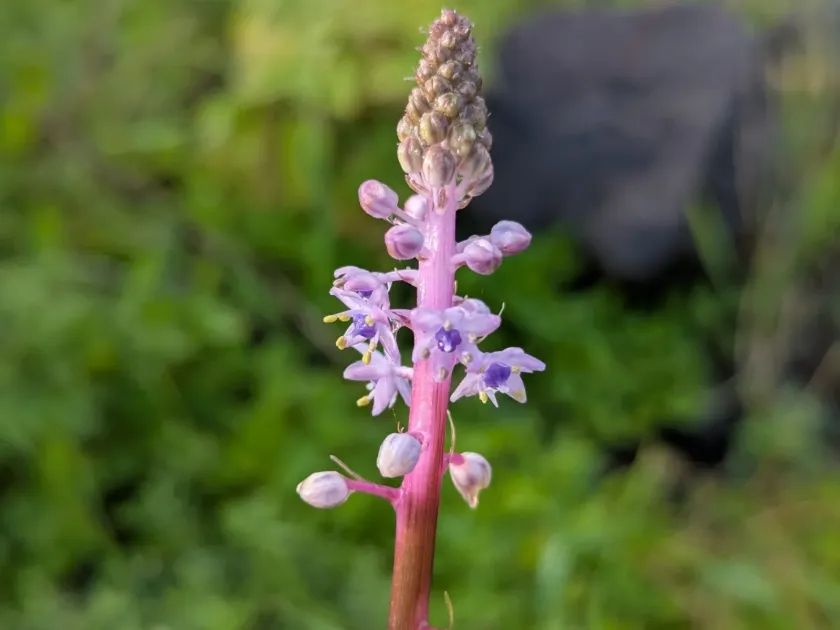
Description
Growing requirements
Oncostema is a genus of bulbous perennial plants belonging to the Asparagaceae family. These plants were historically grouped with Scilla, but modern taxonomical analysis distinguishes them by specific floral structures and seed morphology, making them a unique subject for gardeners interested in spring ephemerals.
The successful growth of Oncostema depends heavily on soil conditions. They require well-draining, fertile soil that prevents stagnant water. If the soil is too heavy, adding sand or fine gravel is essential to ensure proper oxygen exchange for the bulbs, which are prone to decay in waterlogged conditions.
Climate requirements for this plant are centered on the Mediterranean-like cycle of moisture. They thrive in regions with mild winters and dry, warm summers. In colder zones, protective mulch is highly recommended to prevent deep freezing of the ground, which could damage the bulb's root structure during the dormancy period.
Agricultural management involves careful timing of fertilization and watering. Applying a balanced liquid fertilizer during the early spring growth phase promotes vigorous flowering. Once the foliage begins to yellow after the flowering cycle, watering should be reduced to induce the natural dormancy necessary for bulb recovery.
Vegetative propagation via bulb offsets is the most common method of cultivation. Gardeners should plan to lift and divide clumps every few years to avoid competition for nutrients. Planting the offsets at the correct depth, usually two to three times the diameter of the bulb, ensures optimal emergence in the following spring.
Main diseases and pests
Pathogenic fungi and root rot are the primary threats to Oncostema, often exacerbated by poor drainage and excessive irrigation during the dormant phase. These infections can quickly spread through the bulb cluster, leading to total failure of the plant patch if not managed early.
Insects, particularly bulb mites and larvae of the onion fly, represent significant pests. These pests tunnel into the bulb tissue, weakening the plant's structural integrity. Monitoring the health of the bulbs during division and applying preventative organic pesticides can help minimize potential damage.