
Ornithogalum comosum
Ornithogalum comosum
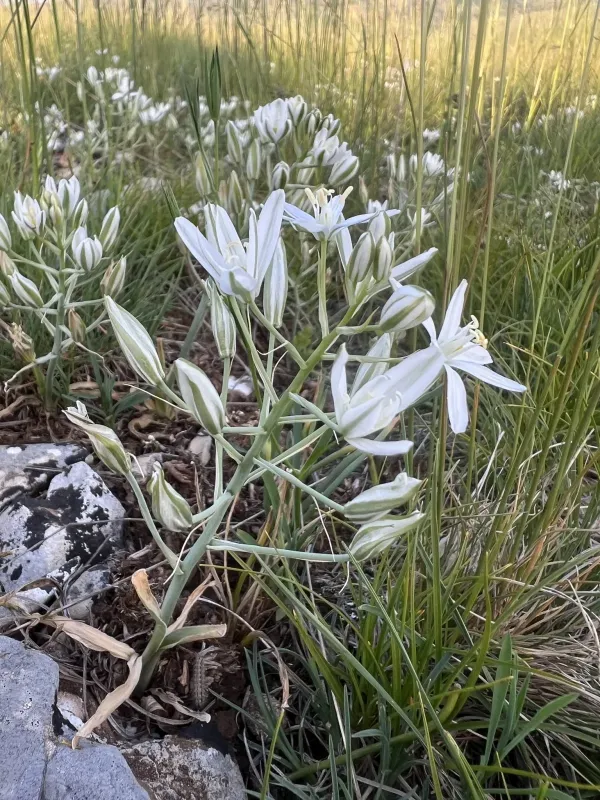
Description
Sowing dates
The planting of Ornithogalum comosum is typically carried out during the autumn months, specifically September and October. This timing ensures that the bulbs establish a strong root system before the ground freezes, which is essential for early spring emergence.
Bulbs should be planted at a depth of 8–10 centimeters, depending on their size and the soil texture. Proper spacing of 10–15 centimeters between each plant is crucial to ensure optimal airflow and prevent competition for soil nutrients.
When propagating via seeds, sow them immediately after collection in late summer or early autumn. Note that this method is a long-term commitment, as it usually takes several years for the plants to reach their flowering stage from seedlings.
The soil preparation process should include adding grit or coarse sand to improve drainage if the soil is heavy. This step is vital to avoid waterlogging, which often leads to the rotting of the bulb base during the winter dormancy period.
After planting, it is recommended to apply a layer of mulch, such as compost or organic matter, to regulate soil temperature and retain moisture. This practice also helps in protecting the young bulbs from the harsh effects of freezing winter winds.
Growing requirements
Ornithogalum comosum is a perennial bulbous plant belonging to the Asparagaceae family. Native to Mediterranean regions and parts of Southeast Europe, it thrives in environments that offer plenty of natural light and well-drained soil conditions.
The plant performs best in moderately fertile, light soils with a neutral pH. While it is quite adaptable, the quality of its floral display is directly proportional to the amount of sunlight and the quality of drainage provided in the planting bed.
Watering requirements are moderate during the active growing season. Regular moisture is needed in spring, but it is critical to reduce irrigation as the foliage begins to yellow, allowing the bulb to enter its natural period of dormancy.
Fertilization should be limited; a balanced, slow-release fertilizer applied in early spring is sufficient. Avoid excessive nitrogen, as it promotes lush foliage growth at the expense of floral development and overall plant resistance to stress.
The species is generally hardy, but in regions with extreme winter conditions, some protection is recommended. Providing a dry and sheltered environment during the dormant season helps maintain bulb health and prevents frost-related damage.
Main diseases and pests
The primary threats to Ornithogalum comosum are fungal infections, particularly those triggered by poor drainage. Gray mold and various bulb rots can cause significant damage if the bulbs are left in waterlogged soil for extended periods.
Pests such as the bulb mite and various nematodes can compromise the health of the plant. These organisms typically attack the roots and the base of the bulb, leading to stunted growth or the eventual death of the affected specimen.
Garden rodents may also pose a threat during the winter dormancy period. Planting bulbs in wire cages or utilizing natural deterrents is a common strategy to protect them from being eaten by small mammals inhabiting the garden.
Monitoring the foliage for signs of chlorosis or unusual spots is a key preventative practice. Early detection of symptoms allows for the quick removal of infected parts and prevents the spread of pathogens to the rest of the planting group.
Maintaining good hygiene in the garden, such as clearing away decaying plant debris, is essential. A clean environment reduces the likelihood of harboring pests and pathogens that could target the sensitive bulbous root systems.