
Ornithogalum balansae
Ornithogalum balansae
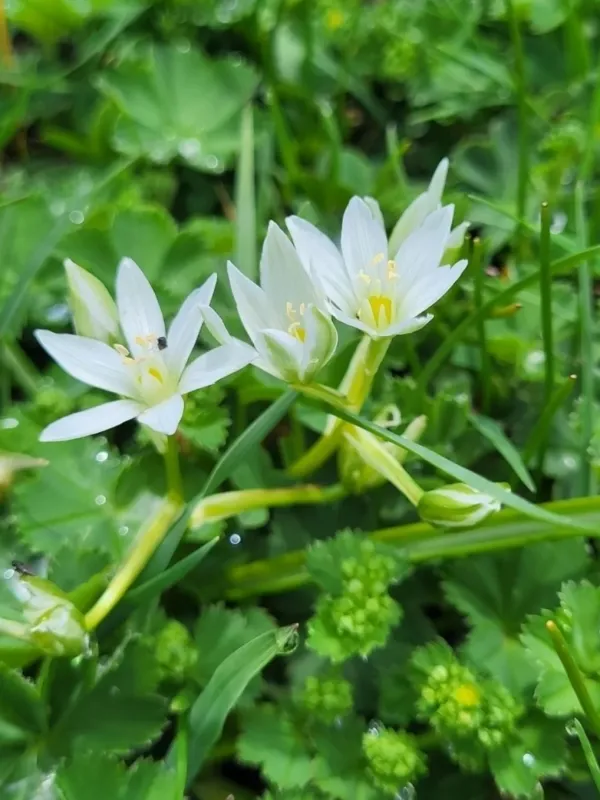
Description
Sowing dates
Planting of Ornithogalum balansae bulbs should ideally take place in the autumn, during September or October, to allow for proper rooting before the soil temperatures drop significantly during winter.
The bulbs should be planted at a depth of 8 to 12 centimeters, depending on the soil texture. In lighter, sandier soils, a slightly deeper planting is recommended to protect the bulb from frost heave.
A spacing of 10-15 centimeters between bulbs is essential to ensure adequate airflow and prevent the overcrowding that leads to poor performance and an increased risk of fungal infections.
If planting is delayed until spring, the bulbs might not develop fully or produce flowers in the same season. Therefore, adherence to the autumn schedule is critical for establishing a healthy, vigorous crop.
After flowering, it is vital to leave the foliage intact until it turns yellow and dies back naturally. This period is when the bulb accumulates the energy reserves necessary for the next year's growth.
Growing requirements
Ornithogalum balansae is a perennial bulbous plant belonging to the Asparagaceae family. As a typical spring ephemeral, it completes its growing cycle during the early months of the year.
The species thrives in sunny locations but can tolerate light, partial shade. Consistent sunlight is necessary to encourage full blooming and robust bulb development during the brief spring season.
Well-draining, fertile soil is a strict requirement for this crop. The plant is highly sensitive to waterlogged conditions, which can lead to rapid bulb rot, so effective drainage is non-negotiable.
Originating from the mountainous regions of Turkey, the plant is well-adapted to cooler climates and can handle the fluctuating temperatures often experienced during the transition from winter to spring.
Maintenance during the dormant summer period is equally important. The soil should remain relatively dry to ensure that the bulbs do not rot, as the plant does not require water once the foliage has withered.
Main diseases and pests
The primary threats to this crop are fungal diseases, such as bulb rot and Fusarium, which typically occur due to excessive moisture, poor drainage, or overly warm conditions during the storage of bulbs.
Pests, particularly bulb-eating larvae such as those of the onion fly, can penetrate the bulb tissue. Infestations often cause stunted growth, yellowing foliage, and the eventual death of the affected plant.
To mitigate the risk of disease, it is recommended to treat bulbs with fungicides before planting and to avoid planting in fields that have recently supported other susceptible bulbous species.
Proper sanitation is essential; infected plants should be promptly rogued out of the field, along with the surrounding soil, to prevent the pathogen from spreading to neighboring, healthy plants.
Monitoring for signs of distress, including premature yellowing or wilting, is advised throughout the growing season to allow for early detection and intervention before the pest or disease spreads further.