
Olive Muscari
Muscari olivetorum
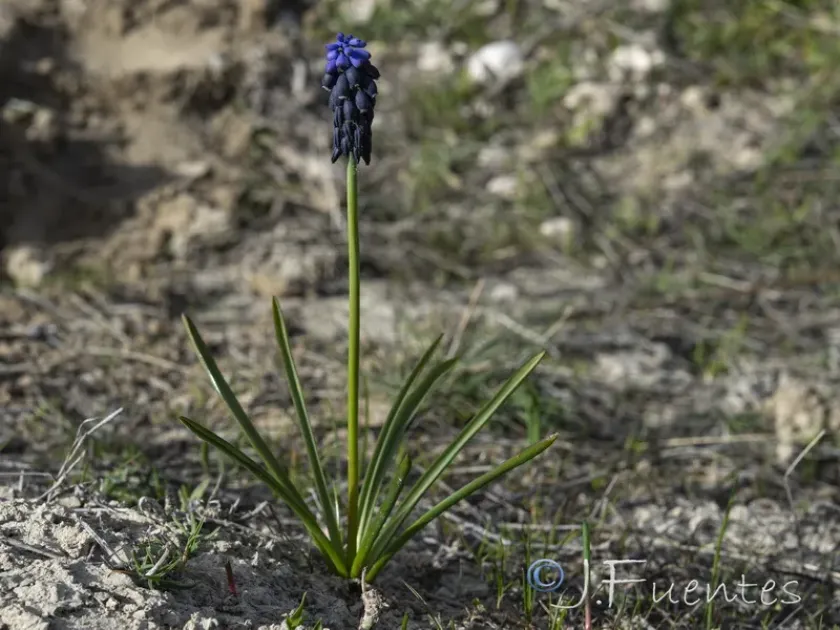
Description
Growing requirements
Olive Muscari (Muscari olivetorum) is a perennial bulbous plant belonging to the Asparagaceae family. It is a distinctive botanical species known for its specific ecological niche and unique development cycle.
This plant typically originates from Mediterranean-like environments, where it thrives in rocky, well-drained soils. Its native habitat emphasizes the need for excellent drainage to prevent bulb rot during dormant periods.
In terms of cultivation, it requires a sunny position to ensure proper flowering. While it can withstand partial shade, consistent exposure to sunlight is essential for the accumulation of nutrients within the bulb.
The ideal substrate for this culture should be fertile, loose, and slightly alkaline or neutral. Incorporating coarse sand or fine grit into the planting site significantly improves aeration and water drainage.
Economically, this species is primarily used in specialized ornamental horticulture and botanical collections. Its aesthetic appeal makes it a valuable addition to rock gardens and naturalistic landscape designs.
Main diseases and pests
The most common threats to Olive Muscari involve fungal pathogens, particularly those triggered by excessive soil moisture and poor air circulation in the root zone throughout the wet season.
Onion flies and bulb mites pose a significant risk to the integrity of the underground organs. Early detection of stunted growth or yellowing foliage is critical for timely management and control.
Viral infections can affect the vigor of the plant, often resulting in mosaic patterns on leaves or twisted flower stalks. Affected plants should be removed and destroyed to prevent the spread to healthy bulbs.
Excessive humidity during the summer dormancy phase encourages mold development. Ensuring the bulbs stay dry and in a well-ventilated storage area is a vital aspect of their maintenance.
To maintain plant health, it is recommended to avoid heavy organic fertilization, as it may stimulate lush foliage growth at the expense of root health, making the plant susceptible to environmental stress.