
Ornithogalum collinum
Ornithogalum collinum
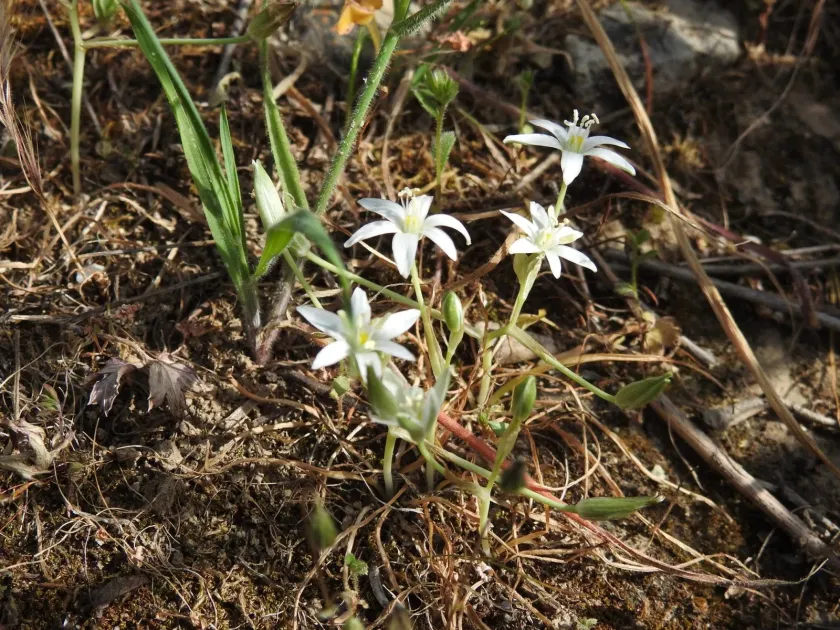
Description
Growing requirements
Ornithogalum collinum, commonly known as the hill star of Bethlehem, belongs to the Asparagaceae family. This perennial bulbous plant is native to the steppe and mountainous regions, where it has adapted to well-drained, rocky soil conditions.
For successful cultivation, the plant requires full sun exposure and soil that provides rapid drainage. It is highly intolerant of waterlogged conditions, which are the primary cause of bulb rot during the dormant phase.
This species is well-adapted to varied climatic conditions, demonstrating significant frost resistance. In terms of agronomy, it requires little maintenance, thriving in neutral or slightly alkaline soil types that are not overly enriched with organic fertilizers.
The plant is primarily cultivated for its decorative value, serving as an excellent choice for rock gardens, xeriscaping, and early spring displays. Its ability to naturalize makes it a popular choice for low-maintenance landscapes.
Vegetative propagation occurs through offsets, allowing the population to spread effectively over time. Proper spacing is essential to ensure adequate airflow and prevent microclimatic humidity buildup around the foliage.
Main diseases and pests
Fungal diseases, particularly Fusarium rot, represent a major threat to Ornithogalum collinum when planted in poorly drained environments. Preventive measures include ensuring proper soil texture and avoiding overhead watering.
Root mites and bulb flies are the primary pests that can devastate a planting site. Integrated pest management strategies, such as soil solarization and the use of healthy planting stock, are recommended.
Viral infections can cause mottled leaves and stunted growth. Because these viruses are often transmitted by sap-sucking insects, controlling aphid populations is crucial for maintaining the health of the crop.
Slugs and snails may consume tender shoots during wet spring weather. Physical barriers or eco-friendly bait can be used to manage these populations in smaller cultivation areas.
Maintaining a balanced nutrient level is vital, as excessive nitrogen can promote lush growth that attracts pests and makes the plant more susceptible to fungal pathogens throughout the growing season.