
Long-stalk primrose
Primula longipes
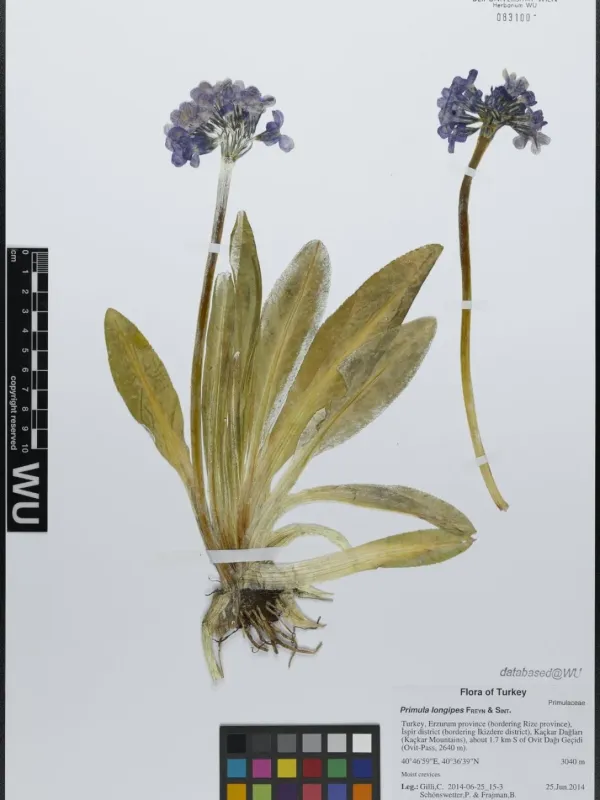
Description
Sowing dates
The propagation of Primula longipes usually involves sowing seeds during the autumn months. This provides the necessary cold stratification period, which is essential to break seed dormancy and ensure successful germination in the spring.
For indoor or spring sowing, seeds must undergo artificial stratification by placing them in a refrigerator at temperatures between 0 and 5 degrees Celsius for approximately six weeks. This process mimics natural alpine conditions required for high germination rates.
The sowing medium should be a lightweight, peat-based mix with added horticultural sand to ensure optimal drainage. Seeds should be sown on the surface, as they require light to germinate, and should never be deeply covered with soil.
Consistent moisture levels must be maintained throughout the germination phase, typically using a fine mist sprayer. Covers or plastic films can be used to keep humidity levels high, provided that the trays are ventilated daily to prevent fungal issues.
Once seedlings have developed their first set of true leaves, they should be carefully transplanted into individual pots. Gradual hardening-off is recommended before moving them to their permanent location in the garden to prevent transplant shock.
Growing requirements
Primula longipes belongs to the Primulaceae family. It is a distinctive herbaceous perennial known for its elegant flower stalks, naturally occurring in mountainous regions where it thrives in cool, moist, and well-drained environments.
This species performs best in partial shade, especially in climates with hot summers. It requires protection from intense sunlight, which can quickly lead to leaf scorch and dehydration. An eastern or northern aspect is usually ideal for planting.
The soil should be rich in organic matter and possess excellent drainage properties. While the plant loves moisture, it cannot tolerate waterlogging. A slightly acidic to neutral soil pH is preferred, supplemented with leaf mold or compost.
Hardiness is a key feature of this alpine primrose, allowing it to withstand cold winters provided the soil does not freeze while waterlogged. In areas without reliable snow cover, a light layer of mulch can help protect the crown.
During the growing season, moderate and consistent irrigation is necessary. Water should be applied directly to the base of the plant, avoiding the center of the foliage rosette to prevent rot and fungal infections.
Main diseases and pests
Spider mites are a common threat, particularly in hot and dry weather conditions. These pests suck the sap from the leaves, causing them to develop stippling patterns and lose their vigor. Regular monitoring and occasional misting can help manage populations.
Botrytis cinerea, commonly known as gray mold, can be problematic in high-humidity conditions with poor airflow. It appears as a fuzzy gray growth on leaves or flowers. Affected parts must be pruned immediately, and plant spacing should be increased.
Gastropods such as slugs and snails find the succulent leaves of Primula species highly attractive. They can be controlled using copper tape barriers, specialized bait, or by creating a dry grit perimeter around the base of the plants.
Root rot is often the result of poor soil structure or excessive irrigation. Ensuring a high-quality drainage layer, such as coarse sand or small gravel at the bottom of the planting hole, is the primary preventative measure for this condition.
Powdery mildew may occur if plants are subjected to significant temperature fluctuations between day and night. Maintaining plant health through proper nutrition and avoiding water stress reduces the plant's susceptibility to such fungal pathogens.