
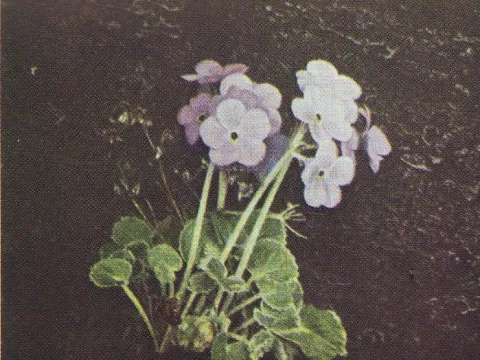
Primula latisecta
Primula latisecta
Primula latisecta is a herbaceous perennial belonging to the Primulaceae family. It is naturally adapted to alpine meadow environments, characterized by cool temperatures and high atmospheric humidity during the growing season.
What the section contains
Primula latisecta
Propagation is primarily achieved through seeds. Sowing should take place in late autumn for winter stratification or in early spring. Seeds are light-dependent and should be sown onto the surface of a fine, moist potting mix without covering.
Germination is most successful when seeds are subjected to cold treatment. Keeping the trays in a cool place (approx. 4°C) for several weeks mimics natural winter conditions and significantly increases the germination rate of the embryos.
Seedlings develop slowly, requiring a stable environment until they reach the two-leaf stage. Once sufficiently developed, they should be transplanted into individual pots to avoid competition for light and nutrients among young plants.
Planting out into the final garden location is best done when the weather is consistently cool and overcast to prevent transplant shock. Proper spacing of 25-30 cm is essential for long-term health and development.
This species thrives in partial shade, mimicking its native habitat at the edge of mountain woodlands. Exposure to intense afternoon sun should be strictly avoided, as it will cause leaf scorching and soil desiccation.
The ideal soil is moisture-retentive, rich in organic matter, and well-draining. Adding leaf mold or well-rotted compost to the planting site helps to create a loose structure that prevents waterlogging while maintaining nutrient availability.
Primula latisecta prefers a slightly acidic to neutral soil pH. Periodic testing is recommended to ensure the substrate remains in the optimal range, as high alkalinity can inhibit the uptake of essential micronutrients.
Watering requirements are consistent: the soil should remain moist to the touch but never saturated. During the active growth and flowering phase, supplemental watering is necessary if natural precipitation is insufficient.
The plant is highly hardy in temperate climates. However, in regions with little snow cover, applying a light organic mulch around the crown can protect the plant from freeze-thaw cycles that might heave the roots.
Fungal pathogens such as Botrytis and various leaf spot diseases are the primary threats to plant health. These diseases are favored by stagnant air circulation and prolonged periods of high humidity around the foliage.
Root rot is a critical concern caused by improper drainage or excessive irrigation. It manifests as a sudden loss of turgor in the leaves, often leading to rapid collapse of the entire crown if not addressed immediately.
Pests, particularly aphids and spider mites, can colonize the underside of the leaves. Their feeding activities cause disfigurement and weaken the plant, making it more susceptible to secondary viral or fungal infections.
Slugs and snails present a seasonal challenge, especially in damp gardens. Protecting young plants with physical barriers or organic bait is an effective management strategy to ensure the integrity of the foliage.
Integrated Pest Management (IPM) practices, such as removing debris and thinning overcrowded patches, are the best defense. Maintaining plant hygiene reduces the inoculum load and keeps the population of pests manageable.