
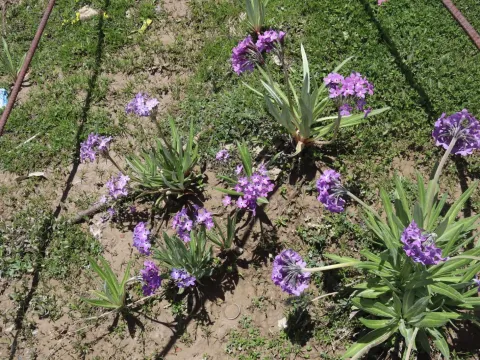
Primula macrophylla
Primula macrophylla
Primula macrophylla is a perennial herbaceous plant belonging to the Primulaceae family. Native to the high-altitude regions of the Himalayas, the Pamirs, and the Tian Shan mountains, this species is well-adapted to harsh alpine environments with short growing seasons.
What the section contains
Primula macrophylla
Botanically, the plant is distinguished by its large, basal leaves forming a robust rosette and a tall, elegant inflorescence. It relies on the nutrient storage in its root system to support rapid emergence and flowering as soon as the snow retreats from the mountain slopes.
The cultivation of this species requires a cool, moist climate similar to its native habitat. It thrives in well-drained, humus-rich soil that mimics the rocky, aerated substrates of mountain meadows. High temperatures and humidity are detrimental to its long-term health.
For successful management, soil must be kept consistently moist but never waterlogged. Incorporating coarse sand or fine gravel into the planting medium improves drainage, which is crucial for preventing root rot, the most common physiological issue for this species in lower elevations.
Propagation is primarily done via seeds, which necessitate a period of cold stratification. This process effectively mimics the natural winter conditions, ensuring high germination rates. Sowing is best performed in late autumn or early spring to allow for natural chilling of the seeds.
The primary threats to Primula macrophylla in cultivation include fungal pathogens that thrive in poorly drained environments. Root rot and collar rot are particularly prevalent during periods of excessive rainfall, necessitating careful site selection and soil preparation.
Slugs and snails are major pests, especially in the early spring when succulent new growth emerges. Regular manual removal or the application of organic molluscicides is recommended to prevent significant damage to the foliage and flower buds.
Aphids can also infest the inflorescences during the active growth period. These pests extract plant sap and can spread viral diseases, therefore prompt monitoring and the use of insecticidal soap or biological controls are highly effective in managing population levels.
Leaf spots, often caused by fungi like Botrytis, occur when air circulation around the plants is insufficient. Ensuring proper spacing and keeping the foliage relatively dry by watering at the base of the plant are vital cultural practices for disease management.
Integrated Pest Management (IPM) protocols should be followed to maintain plant vigor. This involves maintaining soil hygiene, removing debris around the plant crown, and applying preventive fungicides only when environmental conditions pose a significant risk of infection.