
Cleistes rosea
Cleistes rosea
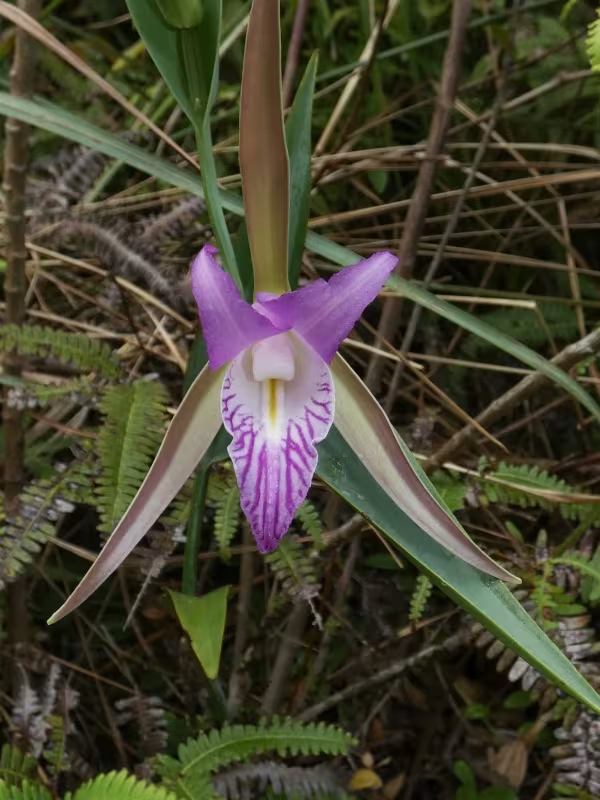
Description
Growing requirements
Cleistes rosea is a perennial terrestrial orchid belonging to the Orchidaceae family. It is characterized by an erect stem with lanceolate leaves and delicate flowers, which are typical for many species within this diverse genus.
The native habitat of this plant includes the tropical regions of South America. It typically thrives in open areas and moist savannas, where environmental conditions remain relatively stable throughout the growing season.
For cultivation purposes, this orchid requires a specific microclimate. It demands consistent high humidity, ideally between 70% and 80%, and temperatures ranging from 20 to 28 degrees Celsius to mimic its natural tropical environment.
The growing medium must be porous and well-draining to prevent waterlogging. A mixture composed of organic materials, such as bark and sphagnum moss, is recommended to ensure adequate aeration for the sensitive root system.
While not a commercial agricultural crop, Cleistes rosea holds significant value for botanical researchers and orchid enthusiasts. Its preservation in specialized environments allows for better understanding of its physiological adaptations and reproduction cycle.
Main diseases and pests
Fungal pathogens represent the primary threat to Cleistes rosea, especially in environments with poor air circulation. Root rot and stem rot are the most common diseases that can quickly destroy the plant if conditions remain damp.
Pests such as spider mites and mealybugs frequently attack the leaves, causing structural damage and sap depletion. These insects are particularly troublesome in controlled greenhouse environments where natural predators are absent.
Effective pest and disease management requires a strict sanitation protocol. Regularly inspecting the plants for early signs of infestation and applying appropriate systemic fungicides or insecticides are essential management practices.
Overwatering is the most critical risk factor, as it creates the necessary conditions for anaerobic bacteria to thrive. Reducing moisture levels during dormant periods or cooler temperatures can significantly mitigate the risk of disease development.
Providing adequate ventilation is crucial to maintain plant health. Proper air movement helps dry the foliage quickly after watering, which is a fundamental step in preventing the onset of various leaf-spotting diseases and mold.