
Caladenia catenata
Caladenia catenata
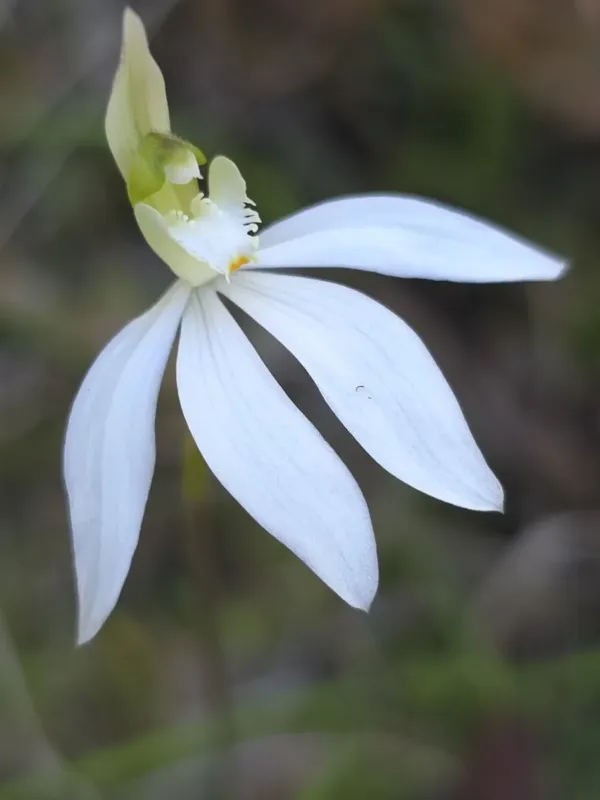
Description
Growing requirements
Caladenia catenata, commonly referred to as the white spider orchid, belongs to the Orchidaceae family. It is a perennial plant native to the eastern parts of Australia, where it occupies specific ecological niches.
The plant thrives in well-drained, sandy or loamy soils that possess a high level of organic matter. It relies heavily on a symbiotic relationship with mycorrhizal fungi for nutrient uptake, which is a hallmark of the species.
Climate requirements include distinct seasonal variations. Caladenia catenata prefers temperate conditions and requires a cycle that includes a cooler, wetter growing season followed by a drier period of dormancy.
Light management is crucial for the successful development of this orchid. It requires bright, diffused light but must be protected from intense, direct solar radiation to prevent foliage damage.
Economically, this species is not utilized for industrial or food production. It holds value primarily for its contribution to biodiversity and as a subject of botanical study within specialized horticultural circles.
Main diseases and pests
Root rot is the most significant threat to Caladenia catenata, usually triggered by excessive moisture and poor soil aeration. Maintaining proper moisture balance is essential for root health.
Common orchid pests, such as aphids and spider mites, can damage leaves and flowers. Manual removal or gentle treatment is preferred due to the orchid's overall sensitivity to chemicals.
The depletion of specific soil fungal populations often prevents the survival of plants in non-natural environments. This dependency makes the orchid difficult to cultivate for non-specialists.
Habitat loss due to urbanization and agriculture remains a persistent threat to wild populations. Conservation efforts focus on protecting the natural sites where these plants currently persist.
Periodic monitoring is advised for those studying or preserving the species, as early detection of fungal or pest infestations can mitigate the risk of significant plant loss.