
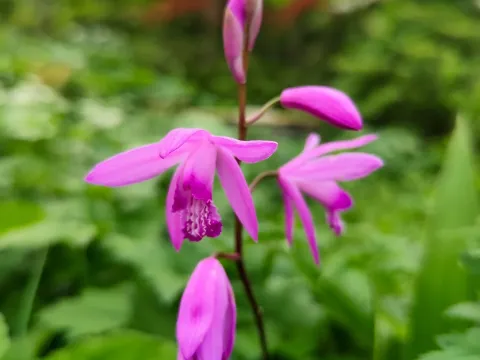
Bletilla
Bletilla
Bletilla is a genus of perennial terrestrial orchids belonging to the Orchidaceae family. Known for their attractive, cattleya-like flowers, these plants are popular in temperate gardens and can be successfully grown in containers.
What the section contains


Bletilla
The most common method of propagation is the division of pseudobulbs or rhizomes. This procedure should be performed during the plant's dormant phase, typically in early spring before the new shoots begin to emerge from the soil.
Seeds of Bletilla are extremely small and lack nutrient reserves, making them difficult to germinate without specialized laboratory conditions. For this reason, seed propagation is generally reserved for professional breeders rather than hobbyist gardeners.
When planting pseudobulbs, they should be placed just beneath the soil surface, about 3 to 5 cm deep. Positioning them too deep may lead to rot if the soil remains cold and damp for extended periods.
After division and replanting, it is crucial to provide a stable, cool environment to encourage root establishment. Once the first signs of growth appear, the plants can be gradually acclimated to their final growing position.
Bletilla thrives in well-draining, humus-rich, and slightly acidic to neutral soil. Improving aeration by adding coarse sand, perlite, or pine bark to the planting medium is highly recommended to prevent waterlogging.
These plants prefer partial shade or locations with filtered morning sunlight. Intense midday sun can scorch the foliage, reducing the plant's aesthetic appeal and overall vitality during the growing season.
Watering requirements are moderate; the soil should be kept consistently moist but never waterlogged. During the peak of summer, it is essential to monitor moisture levels closely, especially for plants grown in pots.
Fertilization should be applied sparingly during the active growth phase. Using a balanced, water-soluble orchid fertilizer at half-strength once every few weeks is generally sufficient to support healthy foliage and flower production.
Hardiness varies by species, but many Bletilla types require protection in areas with severe winters. In such climates, moving pots to a cool, frost-free area (such as a garage or cold frame) is necessary for survival.
Slugs and snails are the most significant pests for Bletilla, particularly in the spring when new, tender growth is emerging. Protective barriers, such as copper tape or crushed eggshells, can help mitigate this damage.
Root and stem rot caused by fungal pathogens (e.g., Phytophthora or Fusarium) can occur if drainage is inadequate. Ensuring that the soil does not stay saturated is the most effective preventative measure against these diseases.
Spider mites and aphids may occasionally infest the foliage, particularly in environments with poor air circulation or low humidity. Regular inspections and occasional misting can help prevent these infestations from becoming severe.
Viral infections can occasionally affect orchids, leading to mottled or distorted leaves. Unfortunately, infected plants cannot be cured and should be destroyed to prevent the spread of the virus to healthy specimens.
Good hygiene practices are essential for keeping Bletilla healthy. This includes cleaning tools between uses and promptly removing dead or decaying foliage to reduce the habitat for potential pests and fungal spores.