
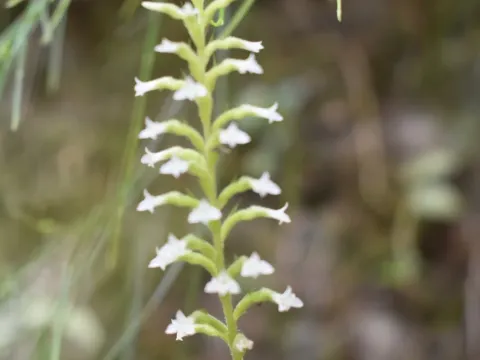
Beloglottis
Beloglottis
Beloglottis is a genus of terrestrial orchids belonging to the Orchidaceae family. These plants are native to the tropical and subtropical regions of the Americas, thriving primarily in forested ecosystems with high humidity levels.
What the section contains

Beloglottis
Botanically, these plants are known for their distinct basal leaf structures and slender inflorescences. They grow in humus-rich, well-drained soils, which mimic the natural forest floor conditions where organic matter accumulates and decomposes.
To cultivate Beloglottis successfully, it is essential to maintain a consistent environment. The substrate should be airy and moisture-retentive, typically composed of a blend of fine bark, perlite, and high-quality peat moss.
Climate requirements include a stable temperature range between 18°C and 25°C. As a shade-loving species, they require protection from direct sunlight, which can easily damage their foliage in home or greenhouse environments.
Watering frequency should be adjusted based on the stage of the growth cycle. During active growth, the substrate must stay consistently moist, while a slight reduction in watering is required during the dormancy period to prevent root rot.
The primary biological threats to Beloglottis include fungal pathogens that exploit overly saturated substrates. Symptoms often manifest as darkened leaf bases or the appearance of white mycelium on the soil surface.
Insects like spider mites and mealybugs are the most common pests. They thrive in dry air conditions and can cause significant damage to the plant by piercing the epidermis and depleting the nutrient supply.
Effective management involves consistent monitoring and the application of integrated pest management strategies. Using gentle, horticultural-grade soaps or neem oil is often sufficient for minor infestations.
Environmental stability is the best prevention against stress-related susceptibility. Proper air circulation within the growing area is crucial to prevent the stagnation that often triggers pest population explosions.
For severe infections, a complete repotting process is recommended. This involves removing the plant, gently cleaning the roots in a mild antifungal solution, and replanting it in fresh, pathogen-free growing media.