
Bletilla ochracea
Bletilla ochracea
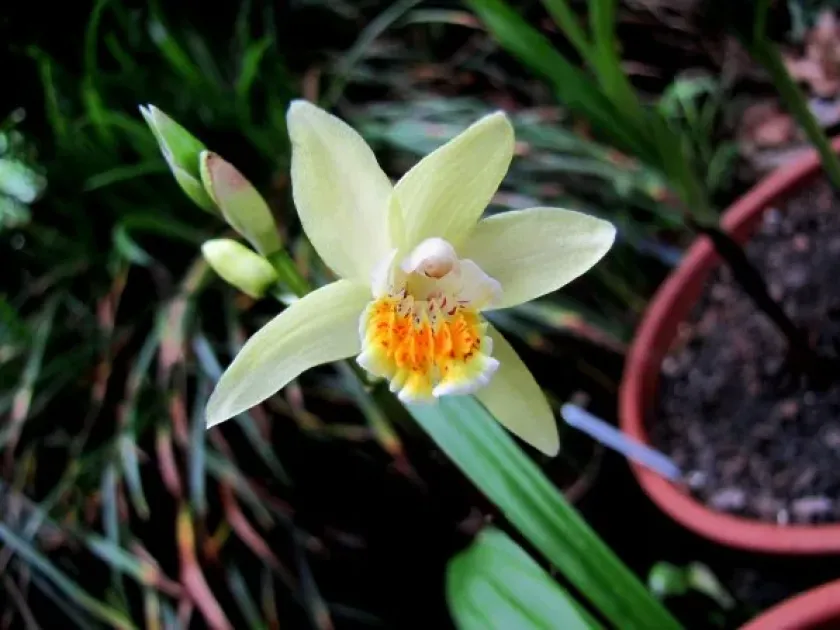
Description
Sowing dates
Propagation of Bletilla ochracea is primarily achieved through the division of rhizomes, which is the most reliable method for home gardeners and nursery cultivation.
The ideal planting time occurs in early spring, just as the plant begins to break dormancy and new shoot growth is initiated by rising temperatures.
While seed propagation is possible, it is rarely practiced outside of specialized laboratory environments due to the complex symbiotic requirements of orchid seeds.
When planting, rhizomes should be positioned horizontally at a depth of approximately 5 to 8 centimeters in well-aerated soil.
Proper spacing is essential to ensure adequate airflow around the foliage, reducing the risk of fungal infections and promoting vigorous rhizome development.
Growing requirements
Bletilla ochracea belongs to the Orchidaceae family and is a terrestrial perennial valued for its distinctive ochre-yellow blooms and pleated leaves.
The plant thrives in fertile, free-draining, and slightly acidic soils enriched with organic matter, such as leaf mold or well-rotted compost.
Ideally, this species should be located in a position that provides dappled sunlight or partial shade, avoiding direct exposure to hot midday sun.
Climate tolerance varies; while it can survive light frosts with protection, in colder regions, it is advisable to mulch heavily or store the rhizomes indoors.
Regular watering is required during the active growing season, but the substrate must be allowed to dry slightly between waterings to prevent root decay.
Main diseases and pests
Root rot is the most significant threat to Bletilla ochracea, usually caused by poor drainage or excessive soil moisture during the dormant period.
Slugs and snails are the most common pests, as they are attracted to the succulent new shoots and foliage during the early spring season.
Fungal diseases, such as botrytis, can manifest in humid or poorly ventilated conditions, leading to unsightly spots and potential tissue death.
To prevent these threats, gardeners should ensure high hygiene standards, maintain proper spacing, and employ safe baiting techniques for gastropods.
Regular monitoring of the foliage and root zone is recommended to catch potential issues early before they compromise the health of the entire plant.