
Bletilla formosana
Bletilla formosana
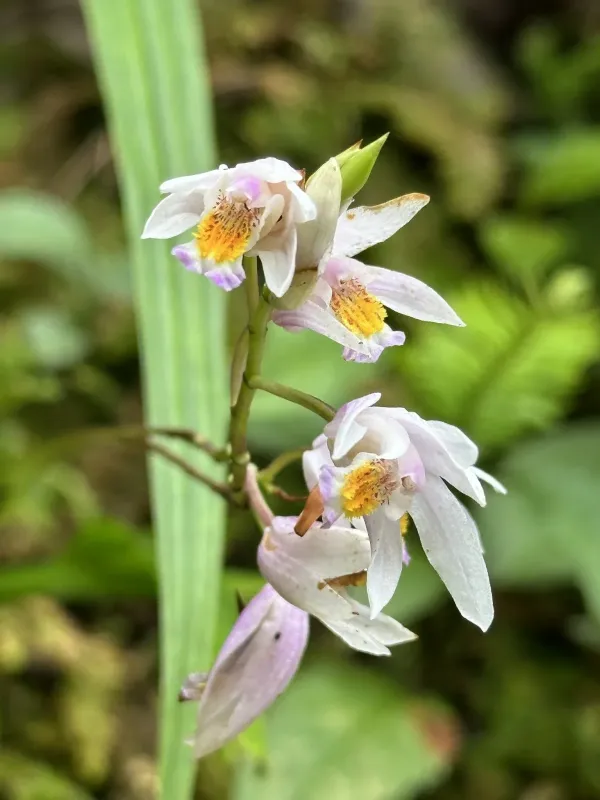
Description
Sowing dates
Bletilla formosana belongs to the Orchidaceae family and is a resilient terrestrial orchid prized for its elegant flowers. Propagation is most effectively achieved through division of the pseudobulbs, which is done during the dormant stage in early spring.
The planting process involves placing pseudobulbs in well-draining soil at a depth of approximately 5 to 7 centimeters. It is crucial to ensure that the dormant buds are oriented upwards to facilitate quick growth once the soil warms up.
When propagating via seeds, the process is highly technical and requires specialized laboratory conditions and sterile substrates. Because the seeds lack endosperm, they depend entirely on symbiotic fungi for germination in the wild.
Gardeners should space plants about 25 centimeters apart to allow for proper foliage development. This spacing also helps in managing moisture levels and reducing the risk of fungal diseases within the plantation.
Applying a thin layer of mulch after planting helps maintain soil moisture and protects the delicate root system from extreme temperature fluctuations. Consistent care during the initial weeks is vital for successful establishment.
Growing requirements
This orchid thrives in loose, humus-rich soil with excellent drainage. It prefers a slightly acidic to neutral pH, which mimics its natural habitat, and benefits significantly from the addition of organic compost.
Climate requirements for Bletilla formosana include temperate conditions with protection from harsh midday sun. While it can tolerate light shade, it requires bright, filtered light to produce vigorous foliage and healthy flower spikes.
Regular watering is necessary during the active growing season, but the substrate must be allowed to dry slightly between waterings to prevent root rot. During winter, the plant enters a dormant phase and requires almost no water.
Low-concentration fertilizers designed for orchids are recommended during the growth cycle. Avoid high-nitrogen fertilizers, which can lead to soft, succulent growth that is more susceptible to pests and physical damage.
Adequate ventilation is essential for the health of these orchids. In indoor or greenhouse settings, utilizing fans or natural air circulation helps maintain the necessary humidity levels without creating a stagnant environment.
Main diseases and pests
Slugs and snails are the most significant pests for Bletilla formosana, often consuming entire shoots in a single night. Implementing physical barriers like copper tape or using iron phosphate baits is an effective control method.
Root rot and crown rot represent the primary disease threats, usually triggered by poor drainage or overwatering. Maintaining a well-drained substrate and avoiding water accumulation around the pseudobulbs is the best preventative measure.
Aphids may occasionally infest the flower buds during the spring, causing distortion. Monitoring these areas during the early stages of development and using neem oil or insecticidal soap can manage these outbreaks effectively.
Grey mold (Botrytis) can develop in cool, damp conditions with low airflow. If grey fuzzy spots appear on leaves or petals, the affected parts should be removed promptly, and environmental conditions adjusted to reduce humidity.
Regular inspection of the garden bed is recommended to detect any signs of stress. By maintaining proper hygiene and removing garden debris, the overall risk of pest and disease transmission is significantly reduced.