
Bletilla striata
Bletilla striata
Description
Sowing dates
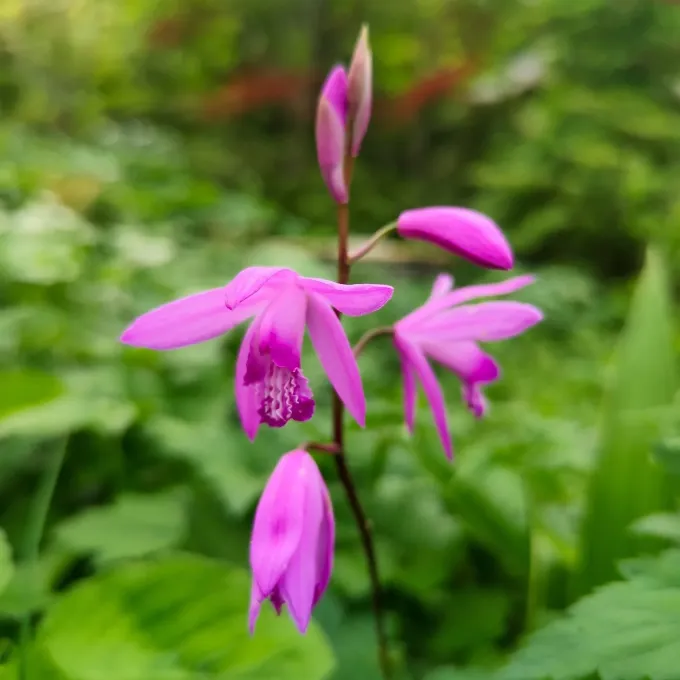
Bletilla striata, commonly known as the Chinese ground orchid, is a member of the Orchidaceae family and stands out as one of the few orchid species well-suited for temperate garden climates. Planting is best performed in early spring, once the soil has warmed sufficiently and the threat of severe frost has passed.
Propagation is most effectively achieved through the division of pseudobulb clumps. This process should occur during the dormant season, just as new growth begins to emerge, allowing the plant to establish itself quickly in its new location during the warmer months.
Successful establishment depends on selecting a site with rich, well-draining soil. Because these plants are susceptible to rot, the soil must be light and airy. Incorporating organic matter such as compost or leaf mold enhances moisture retention without creating the stagnant conditions that lead to root decay.
In container gardening, using a specialized orchid mix composed of pine bark, perlite, and sphagnum moss is highly recommended. This medium ensures the necessary aeration for roots while maintaining the consistent moisture levels that Bletilla striata requires for optimal growth.
When planting, ensure the pseudobulbs are set at a depth of approximately 3 to 5 centimeters. Proper spacing is essential to allow for the natural expansion of the clump over the years, as these orchids thrive when left undisturbed for several seasons.
Growing requirements
This species prefers partial shade, particularly in climates with hot summers. Protection from direct, intense sunlight is crucial to prevent foliage scorching and to maintain the vibrant green color of the leaves throughout the growing season.
Soil pH should ideally be neutral or slightly acidic. Regularly mulching the base of the plant with organic materials helps to stabilize soil temperature and conserve moisture, simulating the forest floor conditions native to its habitat in East Asia.
Bletilla striata exhibits a degree of hardiness, surviving temperatures as low as -10°C to -12°C with adequate winter protection. A layer of mulch, such as straw or dry leaves, acts as an effective insulator against freezing ground conditions during the dormant months.
Watering frequency should be adjusted throughout the year. During the active growing phase, consistent moisture is necessary, particularly while the flower spikes are developing. As autumn approaches, watering should be gradually reduced to initiate the plant's natural dormancy.
Feeding should be moderate, utilizing a balanced, slow-release fertilizer or a weak solution of specialized orchid fertilizer. Over-fertilization, particularly with nitrogen, can lead to excessive leafy growth at the expense of floral production and may compromise the plant's winter hardiness.
Main diseases and pests
Slugs and snails are the most prominent pests for Bletilla striata, as they are drawn to the succulent young shoots and leaves. Implementing physical barriers, such as copper tape or crushed eggshells, or using environmentally friendly bait is often necessary during wet spring weather.
Root and crown rot represent the primary disease threats, usually triggered by poor drainage or excessive soil moisture during cool periods. Preventive measures include ensuring the site is not prone to waterlogging and avoiding overhead irrigation that leaves water sitting in the leaf crown.
Viral infections can affect these orchids, showing symptoms like mosaic patterns or stunted development. While not curable, the risk is managed by maintaining high sanitation standards, such as disinfecting cutting tools and sourcing healthy, disease-free planting material.
In glasshouse or indoor environments, spider mites may become an issue if the humidity levels remain too low. Regular misting and adequate air circulation help mitigate these infestations, as well as the application of biological control agents where appropriate.
Winter storage of lifted bulbs requires a cool, dry, and dark environment. Improper storage conditions, such as high humidity or temperatures above 10°C, can lead to the growth of mold or premature sprouting, which weakens the plant for the following spring.
Harvesting
The primary use of Bletilla striata is ornamental, prized for its elegant, hyacinth-like spikes of purple-pink flowers. It is widely used in landscape design, rock gardens, and shaded borders where it provides a unique, exotic aesthetic that few other perennials can offer.
When harvesting pseudobulbs for trade or propagation, this must only be done after the foliage has fully senesced and turned brown. This timing ensures that the bulbs have stored the maximum amount of energy and nutrients required for the next growing cycle.
Once lifted, the pseudobulbs should be gently cleaned of soil and air-dried in a shaded area. Proper drying is vital to prevent fungal growth during storage; however, they should not be allowed to become completely desiccated, which would result in non-viable planting material.
In traditional East Asian medicine, the tubers have historical use as a source of mucilage for wound healing. While this represents a specific ethnobotanical application, the contemporary agricultural focus remains strictly on high-quality nursery stock production.
With minimal intervention, a patch of Bletilla striata can persist for many years, becoming increasingly attractive as it matures. Its ability to naturalize in suitable garden settings makes it a low-maintenance, high-reward choice for both novice and experienced gardeners.