
Bletilla chartacea
Bletilla chartacea
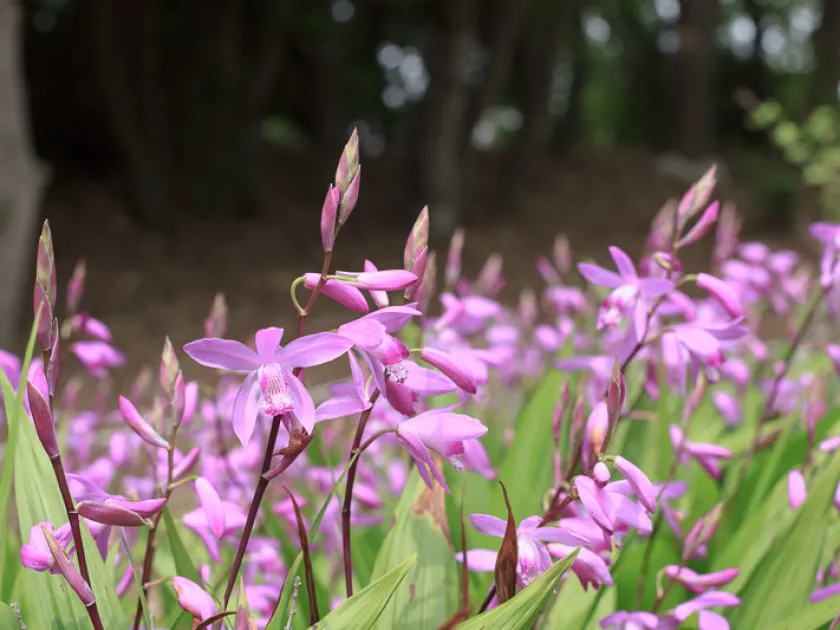
Description
Sowing dates
Bletilla chartacea is a perennial herbaceous plant belonging to the Orchidaceae family. Unlike many exotic orchids, this species exhibits characteristics that make it suitable for cultivation in temperate garden environments with appropriate protection.
The optimal time for planting is during the early spring, once the threat of frost has passed. Rhizomes should be planted at a shallow depth of 5–8 centimeters in a well-draining substrate, ensuring sufficient space between plants to allow for healthy development of the foliage.
Propagation of this culture is most effectively achieved through the division of mature rhizomes during the dormancy period. Seed propagation is considered impractical for general horticultural use due to the specific requirements for symbiotic mycorrhizal fungi necessary for germination.
The cultivation site should be chosen with care, preferably in partial shade where the plant can receive dappled light. Intense, direct sunlight during the summer months can be detrimental to the delicate leaf tissue, leading to chlorosis or burns.
As a deciduous orchid, the plant naturally enters a state of dormancy as temperatures drop in autumn. During this stage, the foliage will dry up, and the plant requires minimal watering until the new growth cycle begins in the following spring.
Growing requirements
Bletilla chartacea thrives in fertile, well-draining soil that is rich in organic matter. A neutral or slightly acidic soil pH is ideal, as it closely mimics the natural conditions where these orchids often establish their root systems.
Moisture management is a critical aspect of its agrotechnology. The soil must remain consistently moist during the active growing season but should never be allowed to become waterlogged, as poor drainage is the primary cause of root rot in this species.
Fertilization should be handled with caution; using diluted, balanced liquid fertilizers during the growth phase is recommended. Excessive nitrogen levels can lead to weak, succulent growth that is more susceptible to environmental stressors and pests.
In regions with harsh winters, providing winter protection is essential. This can be achieved by applying a thick layer of organic mulch over the planting area or by cultivating the plants in containers that can be moved to a cool, frost-free location.
Good air circulation is vital for maintaining plant health. In greenhouse or container cultivation, ensuring that plants are not overcrowded helps to mitigate the risk of fungal pathogens and promotes robust development of the floral spikes.
Main diseases and pests
Slugs and snails are the most common pests affecting Bletilla chartacea. They are particularly attracted to the fresh, tender shoots that emerge in spring, requiring the use of baits or physical barriers to protect the young plants.
Fungal diseases, such as Botrytis or various root rots, represent a significant threat in high-humidity conditions. Proper irrigation management, avoiding overhead watering where possible, is the best preventive strategy against these infections.
Spider mites may infest the foliage, particularly if the plant is grown in a low-humidity environment or an indoor setting. Regular inspection and maintaining appropriate humidity levels are effective in preventing mite population outbreaks.
Mechanical injuries to the rhizomes during weeding or division can lead to bacterial rot. All tools used for maintenance should be sterilized to prevent the transmission of pathogens between individual plants in the collection.
While viruses are less common, they are incurable and require the removal and destruction of the infected specimen to protect the rest of the crop. Biosecurity and pest control are the main pillars of a healthy orchid garden.