
Brachionidium
Brachionidium
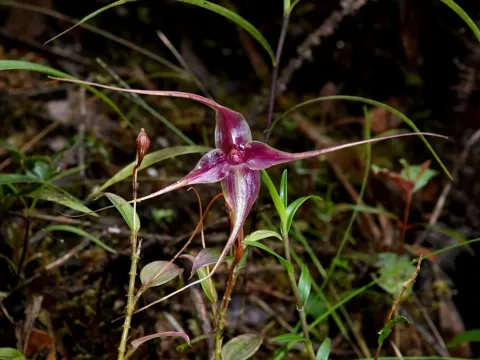
Brachionidium is a genus of perennial herbaceous plants belonging to the Orchidaceae family. These miniature orchids are primarily native to the cloud forests of Central and South America, where they grow as epiphytes or occasionally as terrestrial plants in highly specialized humid environments.
What the section contains

Brachionidium
The successful cultivation of Brachionidium requires strict climate control, specifically mimicking their natural montane habitat. They thrive in cool temperatures, generally between 15°C and 22°C, and are highly sensitive to overheating, which can cause rapid dehydration and plant stress.
High relative humidity is essential for the survival of these orchids. Growers must maintain levels between 70% and 80%, often utilizing enclosed environments like terrariums or specialized orchid cases to keep the atmosphere stable while ensuring good air circulation to prevent fungal growth.
The choice of growing medium is a critical technical requirement. A well-draining, highly porous substrate is necessary to prevent root rot. Standard mixes typically consist of fine pine bark, perlite, and high-quality sphagnum moss, allowing the roots to access both air and moisture simultaneously.
Brachionidium is primarily valued for its botanical uniqueness and aesthetic appeal in private and botanical collections. Because of their small stature and specific care requirements, they are considered plants for experienced collectors rather than general horticulture, requiring precise light and water management.
Pathogenic fungi and bacterial rot represent the primary threats to Brachionidium, usually stemming from poor ventilation or excessively wet substrate. If the roots remain saturated without drying slightly, the plant is susceptible to sudden decline, making proper watering technique vital.
Pests such as spider mites and mealybugs can infest these orchids, particularly in greenhouse conditions. Due to the delicate nature of their foliage, traditional chemical treatments must be used with extreme caution, and biological control methods are often preferred to ensure plant longevity.