
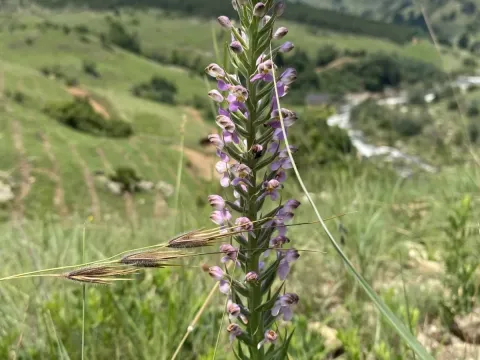
Brachycorythis
Brachycorythis
Brachycorythis is a genus of terrestrial perennial herbs belonging to the family Orchidaceae. Unlike many common orchids that grow on trees, these plants are geophytes, possessing underground tubers that allow them to survive seasonal climatic changes, such as drought or cool periods in their native range.
What the section contains

Brachycorythis
The distribution of the genus is primarily focused on tropical and subtropical regions of Africa and parts of Asia. These plants are typically found in grasslands, savannas, and open woodlands, where they thrive in habitats that offer high light intensity and specific soil conditions.
Cultivation of Brachycorythis requires well-draining, porous soil media that prevents water stagnation around the tuber. A balance of organic matter and inorganic material like perlite or grit is essential for maintaining the root health and preventing the onset of rot, which is a major risk for this genus.
Climate requirements include constant warm temperatures and relatively high humidity. As tropical species, they are highly sensitive to low temperatures and frost, necessitating controlled environment agriculture or specialized greenhouse systems if grown outside their endemic geographic zones.
Botanically, Brachycorythis is characterized by upright, leafy stems topped with dense or lax inflorescences. Their flowers display a complex structure, attracting specific pollinators in their native environment, which is a testament to their evolutionary adaptation and niche specialization in the orchid family.
The primary threats to Brachycorythis cultivation are fungal pathogens, specifically those causing basal rot and tuber decay, such as Fusarium species. These diseases are almost always linked to poor substrate aeration and inadequate drainage control during the watering process.
Common horticultural pests including aphids, mealybugs, and spider mites can infest the foliage, particularly under greenhouse conditions. Maintaining good air circulation and monitoring the plants for early signs of distress are vital components of a successful integrated pest management strategy.