
Bletilla hybrid
Bletilla hybrids
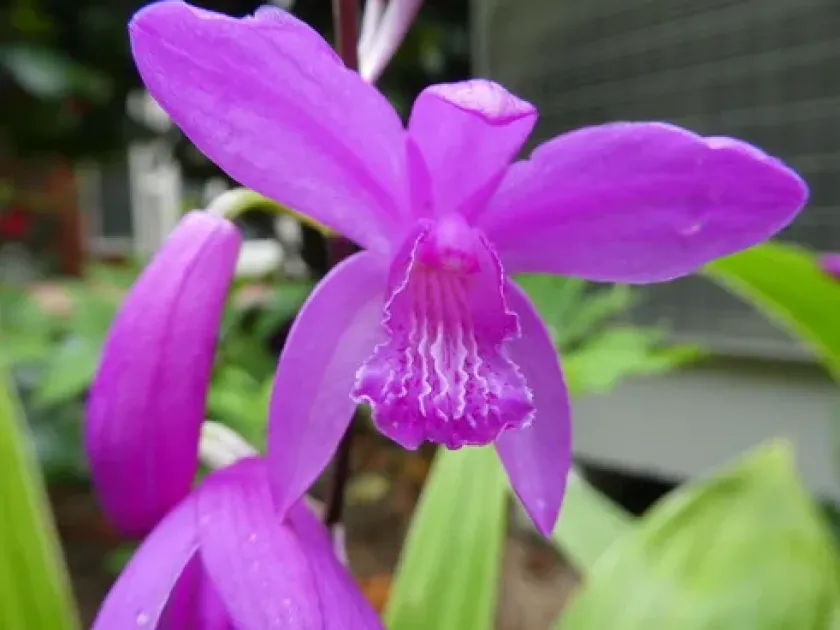
Description
Sowing dates
Planting Bletilla hybrids in the garden or containers is best performed in early spring once the risk of frost has passed. Early spring, typically late April, provides the ideal temperature conditions for the rhizomes to establish their root systems before the onset of summer heat.
Rhizomes should be planted at a depth of 5 to 8 centimeters, ensuring the growth buds are pointed upwards. Careful handling is necessary during planting to avoid damaging the dormant buds or the fragile young roots that may be emerging from the tuber.
A planting distance of 25–30 centimeters between plants is recommended to allow for healthy clump expansion over time. Proper spacing is essential to ensure adequate airflow, which is critical for preventing fungal diseases and maintaining overall plant vigor.
Propagation is typically achieved through the division of established rhizome clumps. This process should be carried out during the dormant season or immediately following the completion of the flowering cycle to minimize stress on the parent plant and ensure rapid recovery.
For gardeners in regions with severe winters, container cultivation is a highly effective alternative. Pots can be moved to a sheltered, frost-free location during the winter months, ensuring the rhizomes remain healthy and ready for an early start the following spring.
Growing requirements
The Bletilla hybrid is a perennial herbaceous plant belonging to the Orchidaceae family, valued for its ornamental appeal and relative hardiness. These hybrids are derived from Asian species, which defines their ecological preference for stable, temperate environments.
To thrive, Bletilla requires fertile, loose, and well-drained soil with a near-neutral pH. The inclusion of organic matter, such as compost or leaf mold, improves soil structure, while coarse sand or perlite should be added to heavier soils to prevent water stagnation.
These plants prefer locations with filtered light or partial shade, particularly during the hottest hours of the day. Exposure to intense, direct afternoon sun can lead to leaf scorch, while too much shade may reduce flower production and overall growth vigor.
Consistent moisture is required throughout the active growing phase. While the plants are relatively resilient, they should not be allowed to dry out completely. However, excess soil moisture during dormancy must be avoided to prevent rhizome decay.
Fertilization with a balanced, low-salt liquid fertilizer for orchids should be applied during the peak growth season. It is vital to stop feeding as the foliage begins to yellow in late summer, allowing the plant to naturally transition into its dormant phase.
Main diseases and pests
Slugs and snails are the most significant pests for Bletilla hybrids, often feeding on the tender new growth and leaves in spring. Using organic bait or physical barriers around the planting site is an effective way to protect young shoots from these voracious pests.
Improper drainage often leads to root and rhizome rot, which can be devastating to the entire plant. If rot is detected, the affected parts must be removed immediately, and the remaining healthy material should be treated with appropriate fungicides to prevent further spread.
In dry conditions or under greenhouse cultivation, aphids and spider mites may infest the foliage. Regular monitoring and the application of mild insecticidal soaps or horticultural oils can help manage these populations without causing undue stress to the plant.
Viral infections can occasionally occur, manifesting as distorted leaves or unusual patterns. Because there is no cure for viral diseases in orchids, prompt removal and destruction of the infected plant is essential to prevent transmission to the rest of the collection.
Maintaining a clean garden environment and preventing mechanical damage during soil cultivation significantly improves the plant's resistance. Healthy, well-nourished plants are generally more capable of withstanding minor pest pressures and environmental stressors.