


FERTIKA (FERTIKA)
Closed Joint-Stock Company Fertika, Ros
Fertilizers
0
0
14 offers
1.05 €per 1 kg
Buy

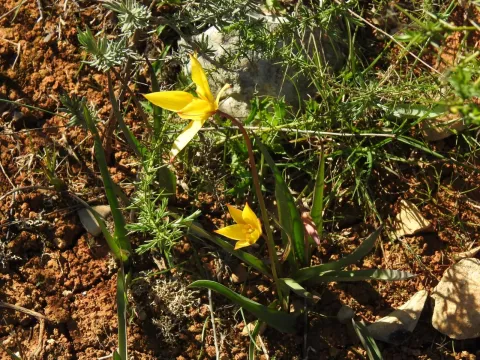
Tulipa L.
Tulips, belonging to the Liliaceae family, are perennial bulbous plants that require precise timing for planting to ensure proper rooting before the onset of dormancy.

In temperate climates, the ideal time for planting bulbs outdoors is autumn, when soil temperatures at a depth of 10–12 cm reach approximately 9–10 degrees Celsius.
Early planting may expose the emerging shoots to pathogens, while planting too late prevents the bulb from establishing a strong root system, which is crucial for overwintering.
For commercial greenhouse forcing, bulbs are subjected to a controlled period of cooling, which is an essential agrotechnical step to initiate flower stem development.
The planting depth should typically be three times the bulb's height, a standard measure that ensures stability and protection from extreme temperature fluctuations.
Tulips thrive in well-lit areas shielded from strong winds, as exposure to excessive shade leads to etiolated stems and diminished flowering quality.
Light, well-draining soils with a neutral pH are ideal; heavy or waterlogged soils must be avoided to prevent bulb decay caused by root rot and fungal pathogens.
Adequate soil aeration is vital for the development of healthy bulbs, and modern farming operations often use specialized tillage practices to optimize soil structure.
Regular irrigation is essential during the rapid vegetative growth phase, particularly as the plants approach the budding stage to maintain optimal turgor pressure.
Balanced fertilization programs, tailored to the nutrient profile of the specific field, ensure vigorous growth and high-quality blooms suitable for the cut flower market.
The tulip breaking virus, or variegation, is a critical issue that compromises bloom appearance and plant health, requiring the immediate roguing of infected individuals.
Fungal pathogens such as Botrytis tulipae (fire blight) and Fusarium rot are major threats that thrive under high-humidity conditions and poor drainage.
Bulb-feeding pests, including the narcissus bulb fly and various species of root mites, can cause severe structural damage to the bulb plate, often leading to total loss.
Integrated pest management strategies involve the use of certified disease-free bulbs, fungicide treatments, and meticulous sanitation of storage facilities.
Harvesting should commence once the foliage begins to yellow and turn brown, indicating that the bulb has completed its vegetative cycle and stored energy.
Timing is critical; delayed harvesting may lead to the loss of bulbs in the soil, while early digging can result in poor bulb quality and reduced reproductive capacity.
After excavation, bulbs must be cleaned of debris and dried in a well-ventilated, shaded environment to prevent fungal infections and encourage proper curing.
Post-harvest storage requires strict temperature control, as the internal development of the floral bud is highly dependent on environmental cues during this period.
Final sorting and grading by size and quality ensure that growers can effectively market their tulips for professional floral use or nursery retail.