
Tulipa praestans
Tulipa praestans Hoog
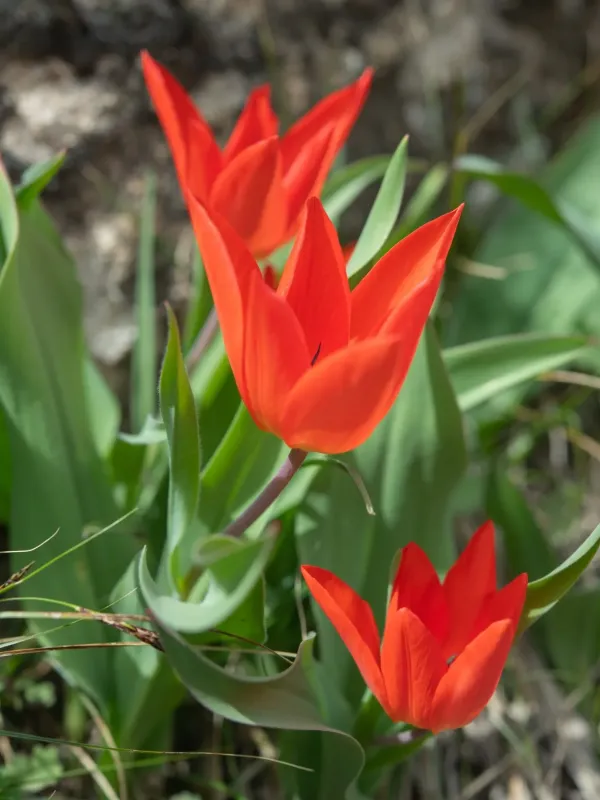
Description
Sowing dates
Planting of Tulipa praestans bulbs should take place in the autumn season when soil temperatures drop to approximately +9 to +10 degrees Celsius. This ensures sufficient root development before the onset of ground frost.
In most temperate climates, the ideal window for planting is from late September to mid-October. Planting too early may result in premature vegetative growth, which is susceptible to winter damage.
The bulbs are typically planted at a depth of 10 to 15 centimeters. This depth provides a natural buffer against temperature fluctuations and helps secure the bulb during the winter dormancy period.
Spacing is critical for this species; bulbs should be placed 10 to 15 centimeters apart. This allows for adequate nutrient uptake and helps prevent the rapid spread of soil-borne pathogens.
Applying a layer of organic mulch, such as straw or compost, after planting helps maintain soil moisture and provides a thermal layer, protecting the bulbs during harsh winter spells.
Growing requirements
Tulipa praestans is a perennial bulbous plant belonging to the Liliaceae family. It is native to the mountainous regions of Central Asia, specifically the Pamir-Alai range, where it has adapted to harsh environmental conditions.
The species thrives in full sun exposure and requires well-drained, fertile soil. It is particularly sensitive to stagnant water, which can easily cause bulb rot, so elevated or sloped sites are often preferred.
Soil structure should ideally be loamy or sandy loam with a neutral to slightly alkaline pH. Adding grit or sand to heavier soils is essential to improve drainage and encourage healthy root exploration.
Botanically, Tulipa praestans is distinct for its multi-flowering habit, frequently producing several scarlet-red blooms on a single stem. This trait makes it a highly desired choice for early-season rock gardens.
Consistent moisture is required during the active growth and blooming phase, but water levels should be reduced once the foliage begins to yellow, allowing the bulb to enter a state of natural summer dormancy.
Main diseases and pests
Botrytis tulipae, commonly known as tulip fire, is the most significant disease threat to Tulipa praestans. It manifests as spots on leaves and flowers and thrives in cool, humid environments.
Fusarium basal rot is another destructive pathogen that affects the bulb directly, causing the roots to wither and the basal plate to rot. This disease is often introduced through infected soil or contaminated bulbs.
Pests such as bulb mites and stem nematodes can cause significant structural damage to the plant. Infested bulbs often show signs of stunted growth and leaf deformation, leading to a decline in bloom quality.
Proactive management includes chemical treatment of bulbs before planting, such as soaking them in a fungicide-insecticide solution. This significantly reduces the risk of initial infection in the garden.
Sanitation is paramount; any bulbs or plant debris showing signs of rot or pest infestation should be removed and destroyed away from the garden to prevent cross-contamination.