
Schrenk's tulip
Tulipa suaveolens Roth
Description
Growing requirements
Schrenk's tulip (Tulipa suaveolens) is a perennial bulbous plant belonging to the Liliaceae family. It is widely recognized as one of the progenitor species for numerous modern garden tulip cultivars, possessing significant historical and genetic value.
The natural range of this species extends across the steppe and semi-desert regions of Eurasia. These plants have evolved to thrive in environments with rapid spring development and subsequent hot, arid summers, which trigger the dormancy phase.
Optimal growth requires well-drained, nutrient-rich soils and full sunlight exposure. Unlike many ornamental hybrids, this species is highly adapted to the specific soil chemistry found in semi-arid environments and does not tolerate waterlogging.
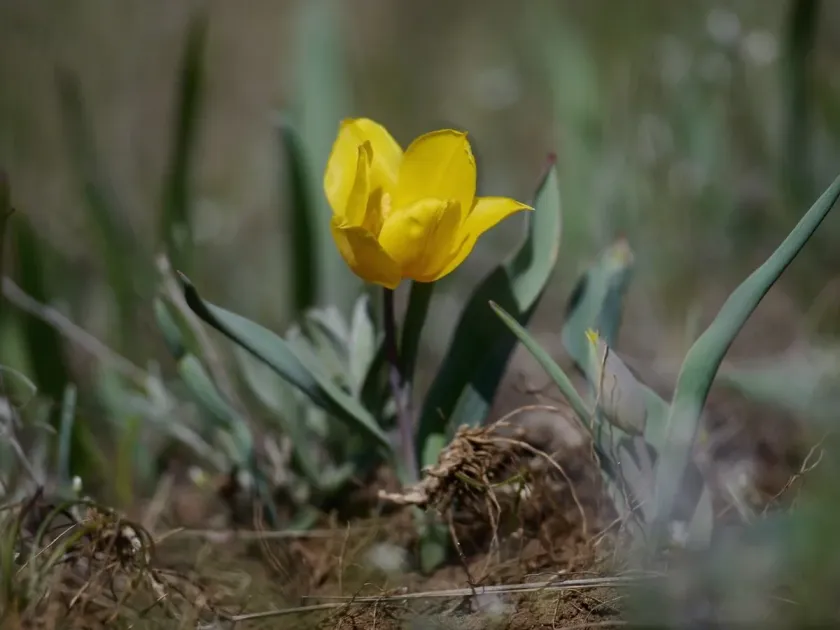
Morphologically, the plant features a single, prominent flower ranging in color from deep red to yellow, supported by a stem reaching 30–40 cm in height. The glaucous foliage is a key adaptation to minimize moisture loss in the dry steppe climate.
Due to its status as a protected species in many countries, large-scale agricultural production is restricted. The plant is primarily utilized in botanical gardens and research facilities to study its hardiness and potential for future breeding programs.
Main diseases and pests
Major threats to this species include the destruction of its natural habitats due to agricultural expansion and overgrazing. These activities fragment the landscape and limit the plant's ability to complete its natural reproductive cycle.
Fungal pathogens such as gray mold (Botrytis) and fusarium wilt pose significant risks to the bulbs. These diseases are particularly destructive when the soil remains too wet during the transition between the growing season and dormancy.
Pests including onion flies and bulb mites can severely impact the health of the plant by feeding on the root system and developing bulbs. Infestations often lead to stunted growth and the inability of the plant to produce a flower the following year.
Integrated pest management strategies for this species involve careful monitoring and the use of site-appropriate cultural practices. Maintaining optimal soil structure and ensuring proper drainage are essential to mitigate the incidence of soil-borne pathogens.
Conservation efforts emphasize the preservation of pristine steppe ecosystems. By protecting these habitats, scientists ensure that Tulipa suaveolens maintains its natural genetic diversity and resilience against changing environmental conditions.