
Eichler's tulip
Tulipa eichleri Regel
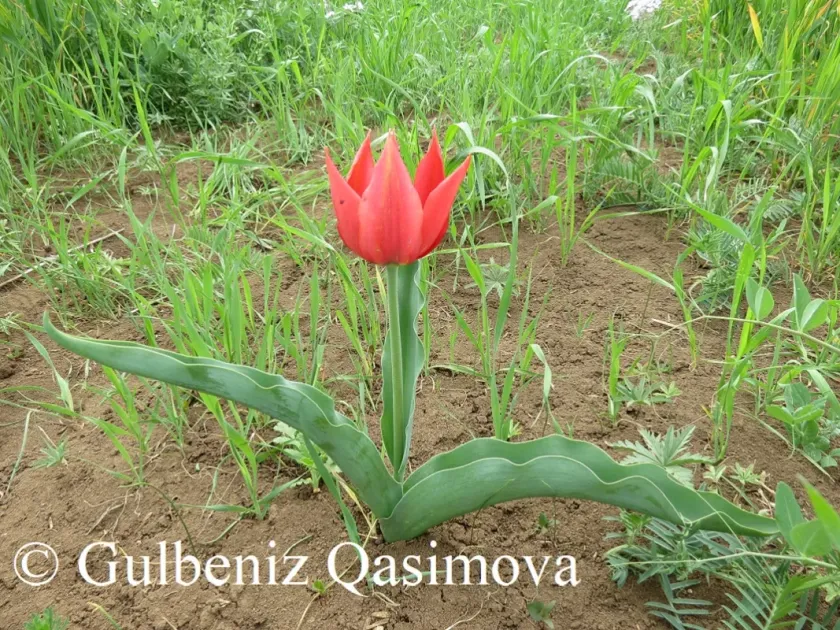
Description
Growing requirements
Eichler's tulip (Tulipa eichleri Regel) is a member of the Liliaceae family. It is a perennial bulbous plant known for its striking red flowers and elegant botanical structure.
Native to the mountainous regions of the Caucasus, Iran, and Central Asia, this species thrives in environments characterized by high light intensity and well-drained soil conditions.
Successful cultivation requires soil that prevents moisture accumulation around the bulb during the dormancy period to avoid rotting processes that are fatal to the plant.
The plant is biologically optimized for early spring growth, taking advantage of the cool, moist conditions of its natural alpine habitats before the heat of summer sets in.
In terms of agricultural and horticultural use, it is a highly valued ornamental crop, often featured in rock gardens due to its hardiness and vibrant aesthetic appeal.
Main diseases and pests
The primary threats to this species include fungal infections such as grey mold (Botrytis tulipae), which are often triggered by poor ventilation and excessive surface humidity.
Bulb mites represent a significant biological challenge, as they penetrate the bulb tissue, weakening the plant's structural integrity and overall vigor during the growing season.
Aphid infestations are a common vector for systemic viral diseases, which can rapidly diminish the quality of the planting material and necessitate rigorous control measures.
Integrated pest management strategies should focus on crop rotation, the use of disease-free planting stock, and timely application of specific fungicides and insecticides.
Preventative measures against rodents are also essential, as these pests are capable of destroying entire beds of bulbs during the cold months when alternative food sources are scarce.