
Tulipa humilis
Tulipa humilis Herb.
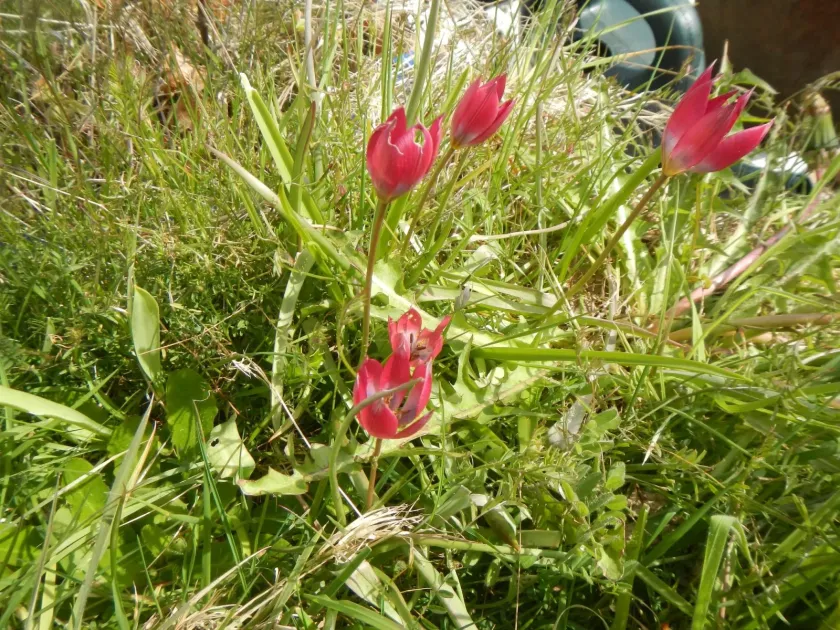
Description
Sowing dates
Tulipa humilis, commonly known as the low tulip, belongs to the Liliaceae family. It is a perennial bulbous plant native to rocky mountainous regions, making it an excellent choice for rock gardens and alpine beds.
Planting should occur in the autumn months. The bulbs need time to establish a healthy root system before the onset of hard frosts, usually requiring 4 to 6 weeks of cool temperatures.
Choose a location that receives full sun exposure throughout the day. These tulips thrive in well-lit environments and may fail to bloom or struggle if kept in shaded spots.
Plant the bulbs at a depth of approximately 7 to 10 centimeters. Ensure the soil is loose and friable to encourage proper root development and avoid excess moisture accumulation around the bulb.
Spacing is essential for the health of the colony. Plant individual bulbs about 10–15 centimeters apart to provide sufficient air circulation and nutrients for each developing plant.
Growing requirements
The primary requirement for this species is exceptional drainage. It naturally grows on rocky slopes, so it is highly sensitive to waterlogged conditions that can cause the bulbs to rot quickly.
The soil should be neutral to slightly alkaline. If your garden has heavy or clay-based soil, incorporate sand, gravel, or organic matter to improve the texture and water permeability significantly.
Watering should be consistent during the spring growth phase but should be significantly reduced once the foliage begins to yellow and the plant enters its summer dormancy period.
Fertilization is best managed with a balanced, slow-release fertilizer applied during the early spring as shoots emerge. Avoid applying high nitrogen fertilizers late in the season to prevent weak growth.
Tulipa humilis is quite hardy and cold-tolerant. In regions with harsh winters, applying a light layer of mulch can help moderate soil temperatures and protect the bulbs from extreme freezing cycles.
Main diseases and pests
Botrytis blight, or grey mold, is a common threat caused by high humidity and poor air circulation. It typically appears as fuzzy grey patches on the leaves, leading to stem collapse if untreated.
Fusarium basal rot is another fungal issue that affects the bulbs. This usually occurs if the soil remains too wet or if the bulbs were injured during storage or handling before the planting season.
Aphids can be a recurring problem, particularly during the warm spring days. They feed on the sap and can act as vectors for various viral diseases that negatively impact plant health.
Bulb mites can infest the storage organs, causing them to decay from the inside out. Preventing these pests requires clean garden practices and the use of healthy, disease-free planting material.
To keep the garden healthy, perform regular inspections. Promptly remove and destroy any plants showing signs of infection or rot to prevent the spread of pathogens to adjacent healthy bulbs.