
Gesner's tulip
Tulipa gesneriana L.
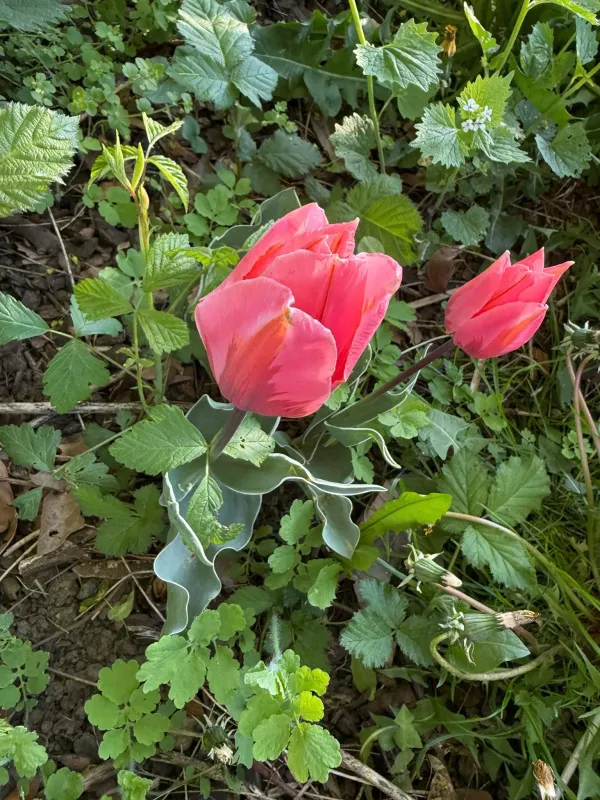
Description
Sowing dates
Planting Tulipa gesneriana bulbs in open ground is typically performed during autumn, once soil temperatures drop to approximately 9–10 degrees Celsius.
This timing is essential to ensure that bulbs develop a robust root system before the onset of winter frost, which promotes strong early-spring growth.
Early planting must be avoided, as it can trigger premature top growth, leaving the plants vulnerable to freezing damage and fungal infections during the winter.
The site selection should prioritize well-drained soils, as stagnant water is the primary cause of bulb rot and poor overwintering success for this species.
Bulbs are generally planted at a depth of three times their diameter, which provides a stable environment for growth while protecting them from temperature fluctuations.
Growing requirements
Gesner's tulip, belonging to the Liliaceae family, thrives in fertile, well-aerated soils with a neutral or slightly alkaline pH level.
This species is highly photophilous and requires full sun exposure to produce strong stems and vibrant, fully developed flower colors during the blooming season.
Adequate soil structure is vital; for heavier clay soils, incorporating sand and organic matter is necessary to improve drainage and gas exchange in the root zone.
Moderate and consistent moisture is required during the active growth phase, particularly as the buds begin to form and develop in early spring.
After the flowering period ends, the demand for water decreases significantly as the bulb enters a dormant state, requiring dry conditions to mature properly.
Main diseases and pests
The tulip breaking virus, also known as mosaic virus, is a significant threat that causes distinctive color patterns and overall plant weakening over time.
Fungal diseases like Botrytis tulipae and Fusarium rot often manifest under conditions of poor ventilation, excessive soil moisture, or improper storage temperatures.
Insect pests, including bulb mites and the tulip bulb fly, can cause severe subterranean damage, often leading to the sudden collapse of the plant in spring.
Aphids pose a constant threat by feeding on sap and acting as vectors for various viral diseases, necessitating proactive monitoring and control strategies.
Integrated pest management, including regular crop rotation and the removal of infected plant debris, is crucial for maintaining the health of the bulb collection.
Harvesting
Harvesting of bulbs should only commence once the foliage has turned yellow and dried, signaling that the plant has completed its cycle and stored energy.
Careful extraction from the soil is required to prevent mechanical injury to the outer tunics, which serves as a protective barrier against post-harvest decay.
Following harvest, bulbs should be cleaned of soil and debris, then cured in a shaded, well-ventilated area to allow the skin to harden effectively.
After the curing process, bulbs must be stored in a cool, dry environment with good air circulation to maintain vitality until the next planting season.
Routine inspection of the stored material allows for the early detection of spoilage, helping to prevent the spread of rot throughout the entire batch of bulbs.