
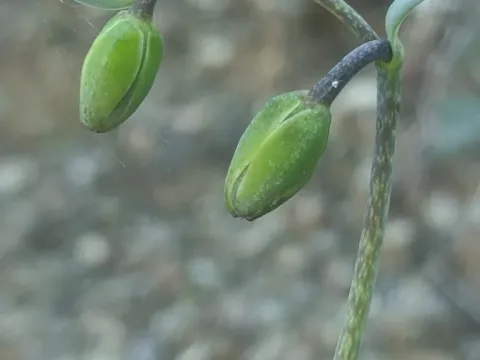
Fritillaria
Fritillaria L.
The planting of Fritillaria bulbs is best executed during the autumn season, typically from late August to late September. This timing allows the root system to establish itself in the soil before the onset of soil freezing, ensuring a successful start in the spring.
What the section contains


Fritillaria
The planting depth is determined by the size of the bulb and the specific species. Larger bulbs require a deeper planting depth of 20 to 30 centimeters, while smaller species perform best when planted at a depth of 10 to 15 centimeters.
To avoid water stagnation, which is a common cause of bulb rot, it is recommended to plant the bulbs at a slight angle or on their sides. This technique prevents moisture from accumulating in the central hollow of the bulb, a morphological characteristic of many Fritillaria species.
Soil preparation should include adding a drainage layer of river sand at the bottom of the planting hole. A layer of about 5 centimeters of sand is sufficient to improve water movement away from the bulb base and protect it from saturated soil conditions.
For optimal growth and maintenance, the distance between plants should be managed according to the growth habits of the specific variety. Maintaining a spacing of 25 to 40 centimeters helps prevent overcrowding and provides adequate nutrition for each plant.
Fritillaria is a perennial bulbous plant belonging to the Liliaceae family. It is highly valued for its unique floral architecture and requires locations with good sunlight, although some species can tolerate partial shade during the hottest parts of the day.
The crop demands fertile, well-drained, and light soil structures. Heavy clay soils must be amended with organic matter and drainage materials to ensure the bulbs remain healthy and avoid the risks associated with waterlogging during the dormant season.
The optimal pH range for Fritillaria is neutral to slightly alkaline. Acidic soils can hinder the plant's nutrient uptake, necessitating the use of lime or dolomite during the soil preparation phase to create a more favorable growing environment.
Temperature requirements are generally met in temperate climates, as these plants are quite winter-hardy. However, in regions with harsh winters and little snow cover, providing a protective mulch layer is recommended to stabilize soil temperatures around the bulbs.
Watering should be balanced throughout the growing cycle. While the plants need consistent moisture during the active growth phase, they require a dry period after the foliage dies back in the summer to ensure proper dormancy and future bloom quality.
Fungal diseases are the primary threat to Fritillaria, particularly those affecting the bulb and roots in humid conditions. Fusarium rot and various types of basal rot are prevalent and can quickly compromise the integrity of the bulb population.
Pest pressures are largely represented by the lily beetle, which feeds on foliage and reproductive parts. Constant monitoring is required to prevent significant damage, as extensive defoliation directly impacts the plant's ability to store energy for the next season.
Soil-dwelling insects, such as wireworms and various larvae, can cause mechanical damage to the bulb tissues. These injuries often serve as entry points for pathogens, exacerbating the risk of decay in the bulb storage organs.
Integrated pest management strategies are essential. This includes the disinfection of bulbs prior to planting and the regular rotation of crops to minimize the build-up of specific soil-borne pathogens and pests over consecutive growing cycles.
- Fungicidal treatment of bulbs before planting.
- Use of systemic insecticides to manage lily beetle populations.
- Prompt removal of diseased plants to prevent further spread.